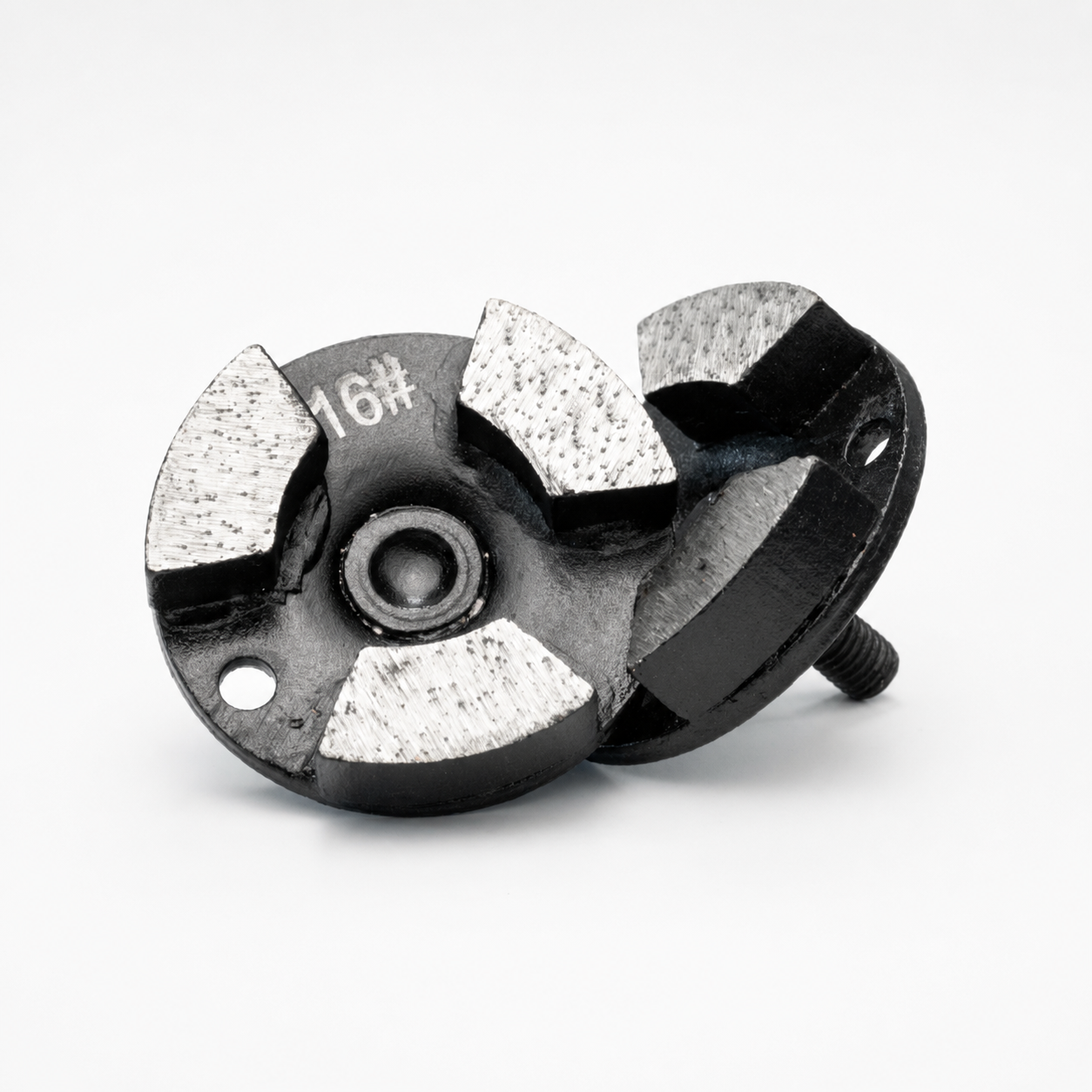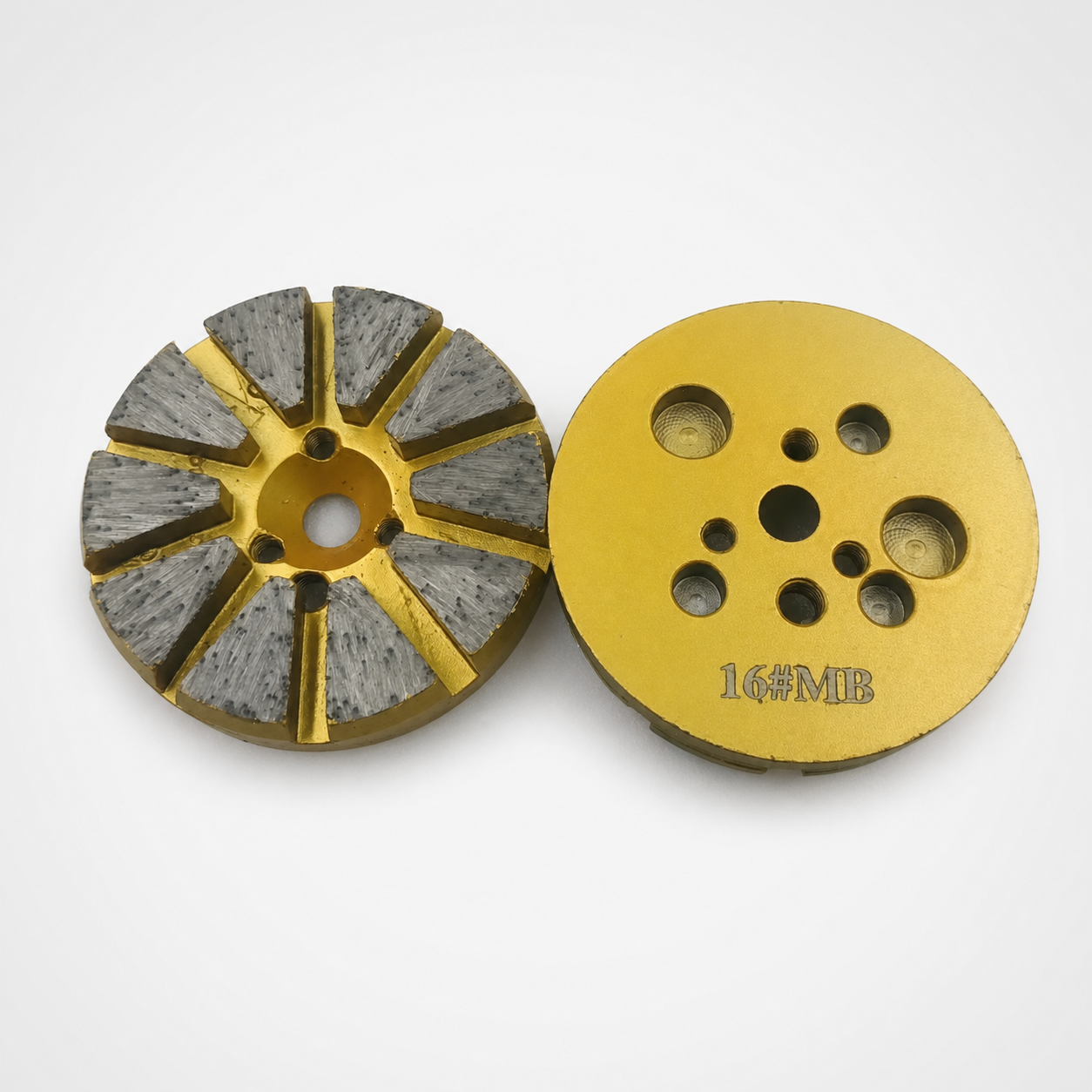

A reliable diamond grinding tool workflow keeps the approved mounting, geometry, bond direction, grit, identification, and packaging linked from quotation through shipment.
For importers and distributors, the main risk in a repeat order is specification drift. A useful production workflow therefore begins with a written reference and ends with records that make the next purchase easier to compare.
What This Guide Covers
- Build the Specification Baseline
- Move Approved Details Into Production
- Use Inspection Records That Help the Next Order
- Control Repeat Orders by Revision
Build the Specification Baseline
The buyer should identify the grinder brand or mounting interface, working diameter, segment layout, requested grit, floor condition, operating method, and labeling needs. If bond direction is uncertain, provide concrete hardness information and a previous tool reference instead of guessing.
| Input | Why it matters |
|---|---|
| Machine and mount | Prevents an incompatible plate or adapter |
| Floor and task | Separates stock removal, leveling, and polishing needs |
| Grit and sequence | Keeps the tool aligned with the planned process |
| Label and packaging | Supports receiving and repeat-order control |

Move Approved Details Into Production
Production instructions should trace back to the approved drawing, sample, or written specification. Any requested change to dimensions, hole pattern, segment arrangement, color, logo, or pack count should be resolved before the lot moves forward.
For an OEM program, keep version numbers on artwork and specifications. This avoids mixing an old label with a revised product configuration.
Use Inspection Records That Help the Next Order
Inspection should focus on visible condition, dimensional conformity, mounting features, identification, quantity, and packaging against the approved order. Performance acceptance criteria must be agreed for the relevant floor and machine because one result cannot represent every concrete mix or operating setup.
Ask the supplier which records can accompany the shipment or remain on file. Confirm any special test method before ordering rather than assuming a certificate is included.

Control Repeat Orders by Revision
A repeat purchase should reference the previous order and clearly identify every change. Treat a new bond request, revised segment, different logo, or altered package as a controlled revision rather than an informal note.
Buyers can review the diamond grinding tools and floor materials range before preparing the next RFQ.

Buyer FAQ
Can I reorder from a product code alone?
A product code is helpful, but confirm the machine interface, grit, bond direction, quantity, and packaging because purchase requirements can change.
Should I send a sample?
A physical sample can help when the mounting or geometry cannot be verified from drawings and measurements. Confirm the sample review process first.
What details should remain fixed?
Keep the approved dimensions, mount, segment layout, identification, and packaging specification under revision control.
Can different grits share one package design?
They can, but each grit needs clear identification to reduce picking and receiving errors.
Are performance results identical on every floor?
No. Concrete hardness, aggregate, machine weight, speed, operator method, and previous steps can change the result.
Prepare a Useful Project Request
A repeat-order review works best when the latest approved specification and a short change list are attached to the RFQ.
For a focused review, submit the product type, floor material or coating, machine model and mounting system, required dimensions, application environment, customization needs, estimated quantity, packaging requirements, destination country, and requested delivery window through our inquiry page.