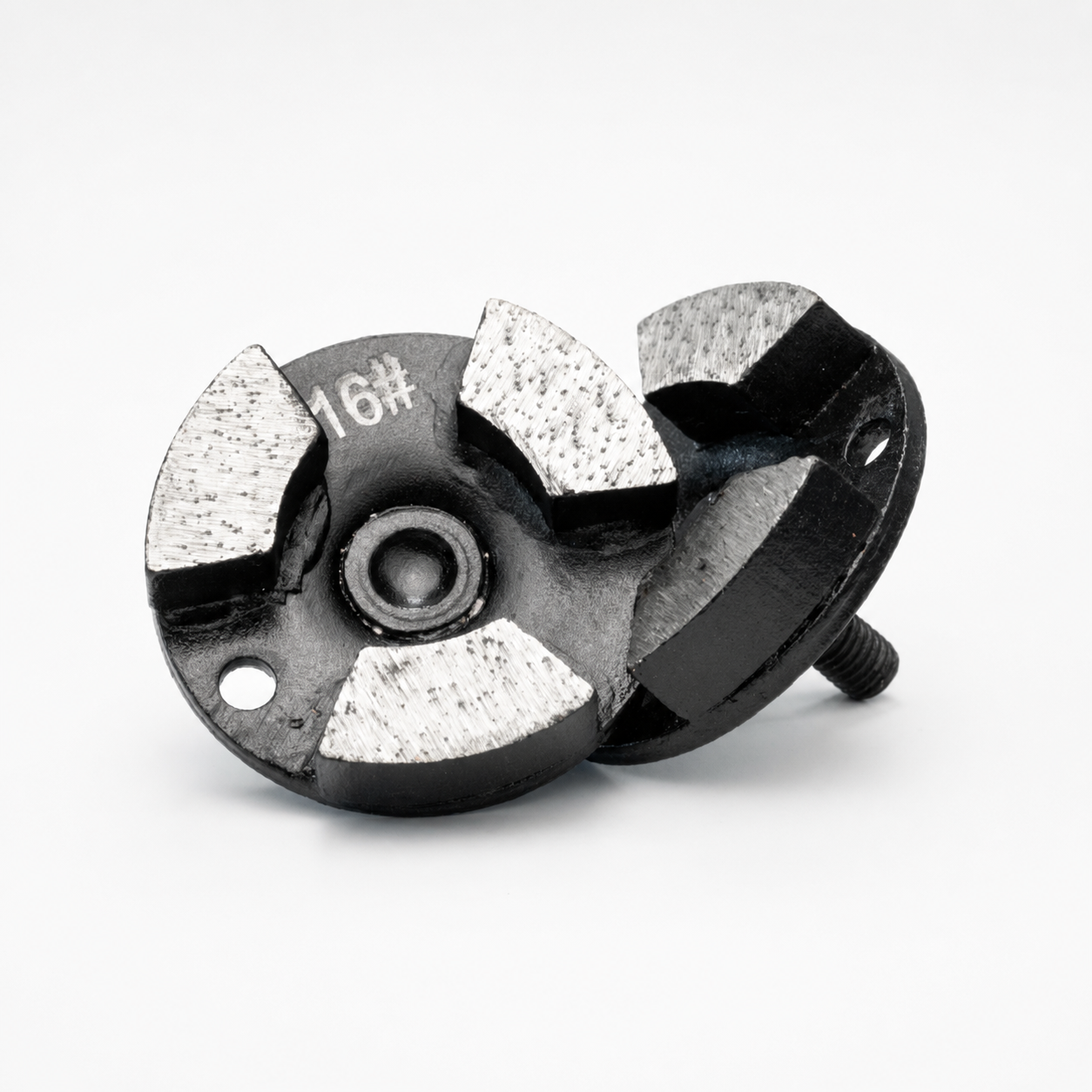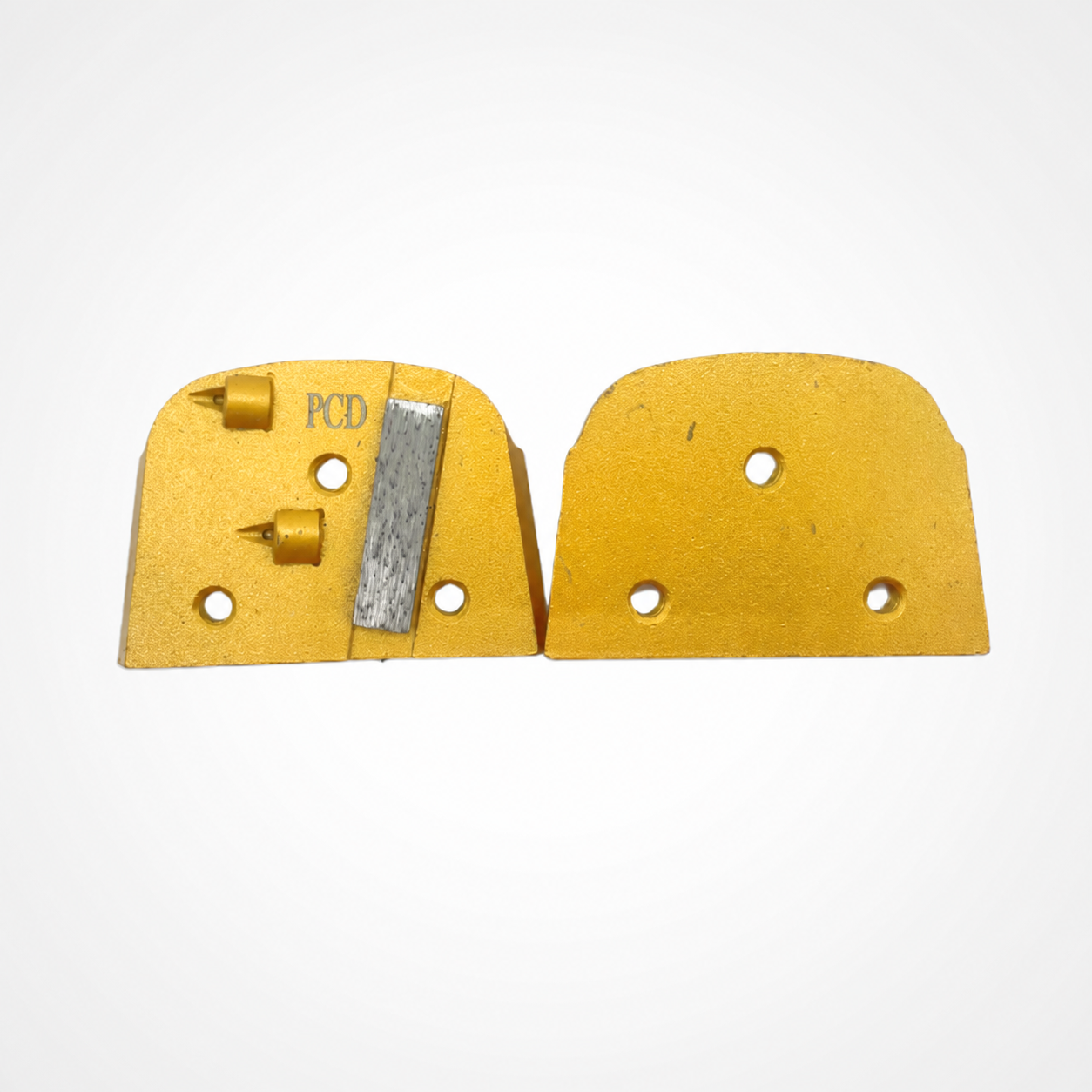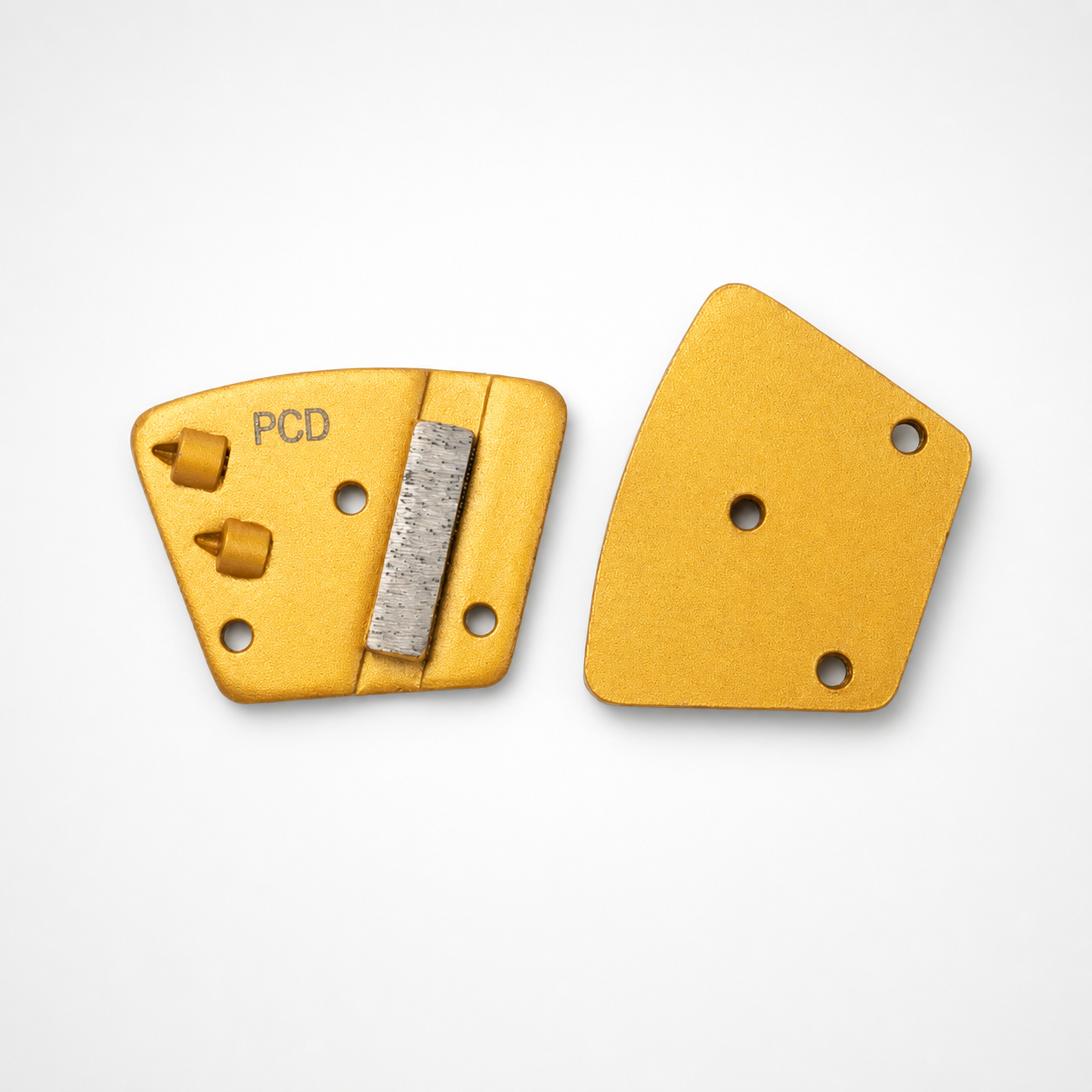

The minimum useful diamond tool RFQ identifies the machine and mount, floor or coating, required task, tool dimensions, grit or sequence, estimated quantity, branding, packaging, destination, and timing.
Short requests such as “send your price for a grinding disc” force both sides to make assumptions. A structured RFQ helps a buyer compare suppliers on the same scope and spot unanswered technical questions before sampling.
What This Guide Covers
- Start With Technical Inputs
- Separate Technical and Commercial Scope
- Compare Quotations on the Same Basis
- Turn the RFQ Into a Sample Plan
Start With Technical Inputs
State the machine model, mounting style, usable diameter, number of positions, floor type, coating type if applicable, and desired task. Add photographs of the machine plate and current tool when the interface is difficult to describe.
| Question | Useful answer |
|---|---|
| What machine is used? | Brand, model, mount, and operating width |
| What is being removed? | Concrete high spots, coating, adhesive, or polishing scratches |
| What is the surface like? | Approximate hardness, aggregate exposure, moisture method, and job constraints |
| What result is expected? | Removal, scratch refinement, honing, or polishing |
Separate Technical and Commercial Scope
List estimated order quantity, sample needs, target packaging, private-label artwork, destination country, and requested delivery window. Ask for confirmation based on the final specification instead of placing unverified MOQ or lead-time assumptions into the RFQ.
If several items are quoted, use a line-by-line table with one product code per configuration. Avoid combining different mounts or grits under one ambiguous line.
Compare Quotations on the Same Basis
Check whether every quotation covers the same dimensions, segment arrangement, grit, bond direction, pack count, and logistics term. A lower unit price is not comparable if the tool configuration or included packaging is different.
Record open questions in a clarification log. The supplier should confirm deviations before the buyer approves a sample or order.
Turn the RFQ Into a Sample Plan
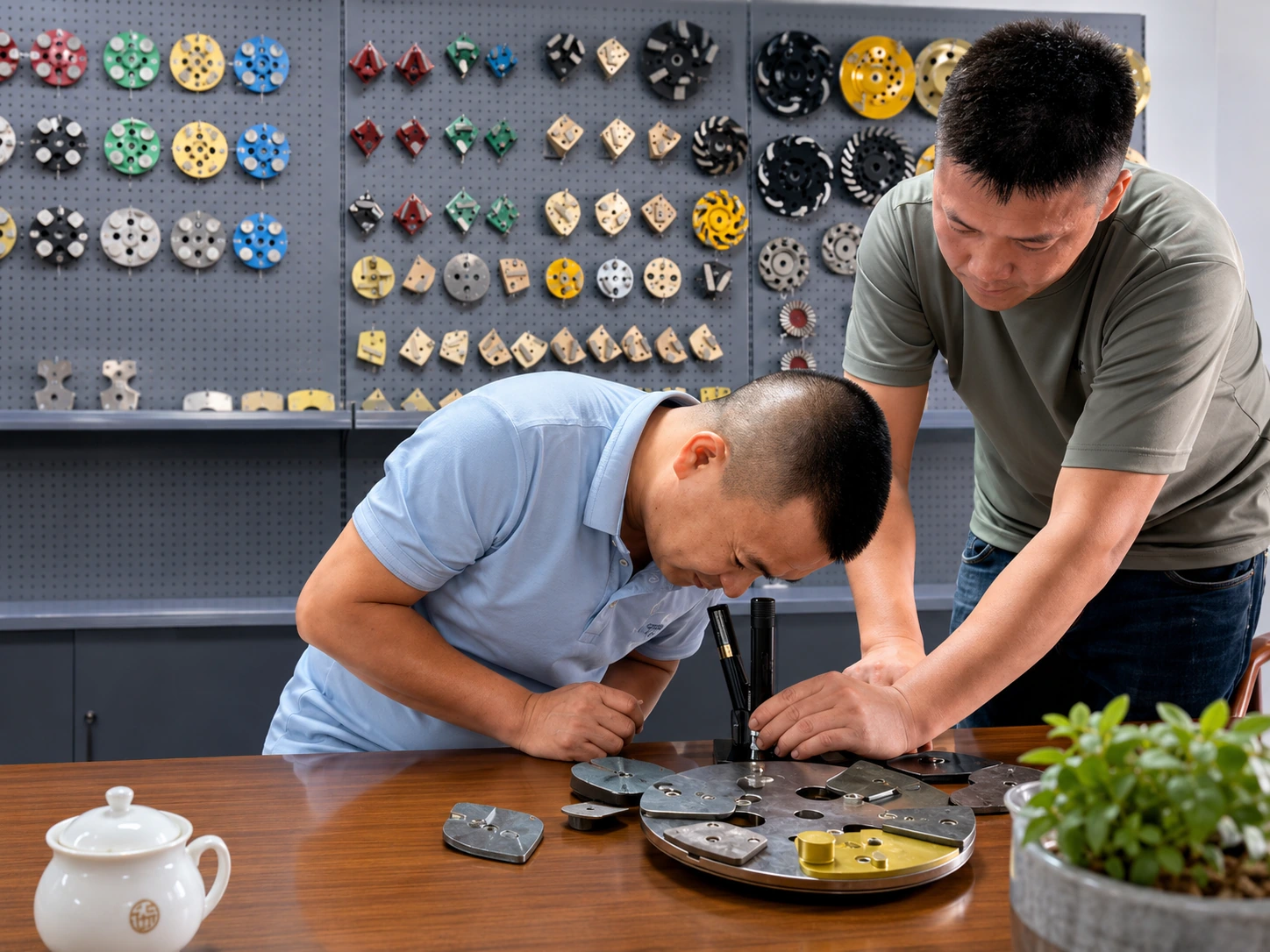
For a new application, define what the sample is expected to demonstrate and how the trial will be observed. Record the machine, floor zone, operating method, coverage, cut behavior, scratch pattern, and any glazing or segment loss.
Browse available HTC-compatible grinding tools and PCD coating removal tools to identify the closest starting format.
Buyer FAQ
Do I need to know concrete hardness?
It is useful, but if it is unknown, describe the floor, project history, current tool behavior, and trial conditions.
Can a photo confirm machine compatibility?
A photo helps, but dimensions and the machine model are safer than a photo alone.
Should I request a fixed MOQ?
Ask the supplier to confirm MOQ for the final configuration, branding, and packaging because these variables affect the answer.
What shipping details belong in an RFQ?
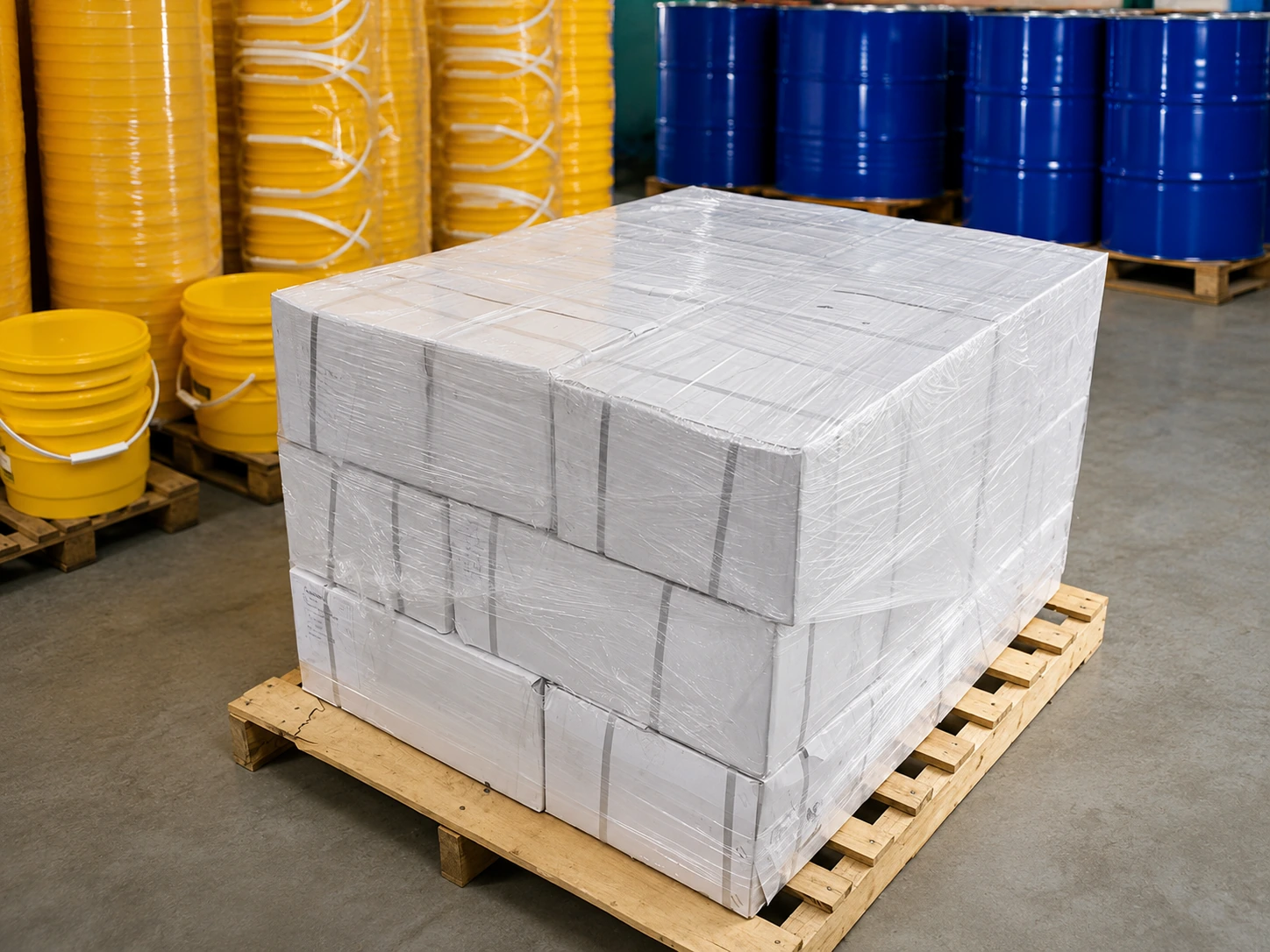
Provide destination country, delivery address type, preferred shipping method if known, and whether the quote should include freight.
How should I request private labeling?
Send editable artwork, label size, placement, color requirements, packaging view, and any required legal marking for review.
Prepare a Useful Project Request
Attach a one-page RFQ table and photographs of the machine interface or current tooling whenever possible.
For a focused review, submit the product type, floor material or coating, machine model and mounting system, required dimensions, application environment, customization needs, estimated quantity, packaging requirements, destination country, and requested delivery window through our inquiry page.