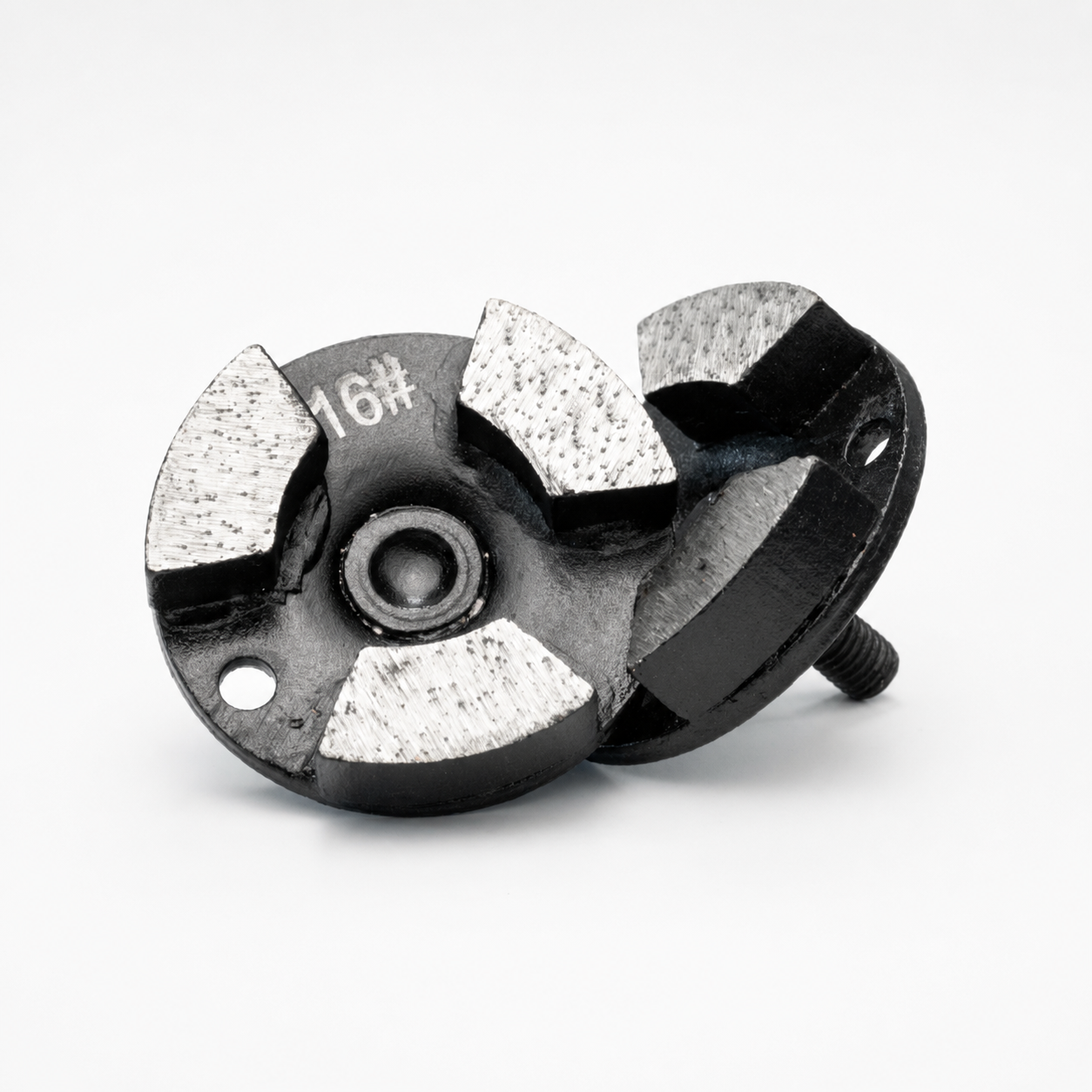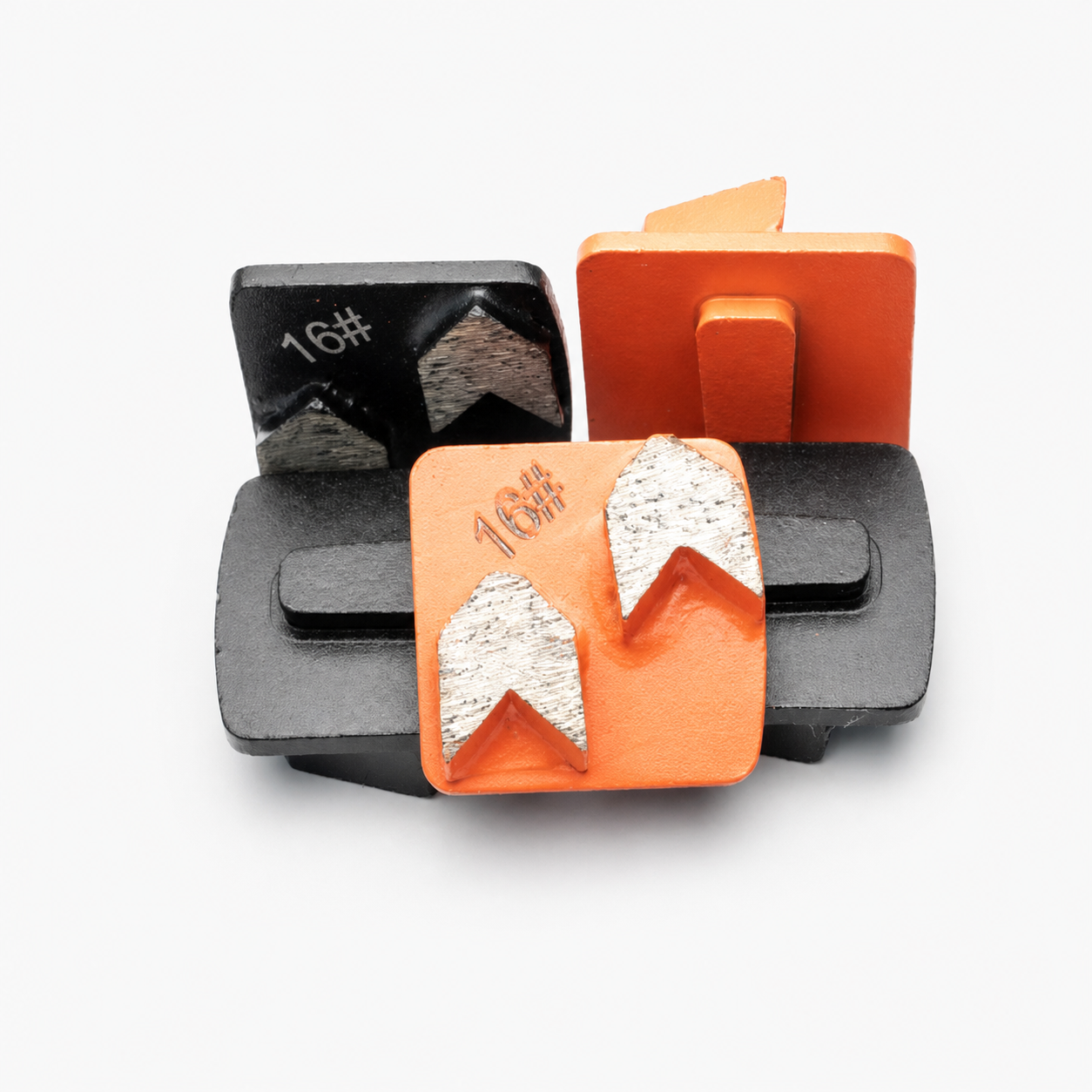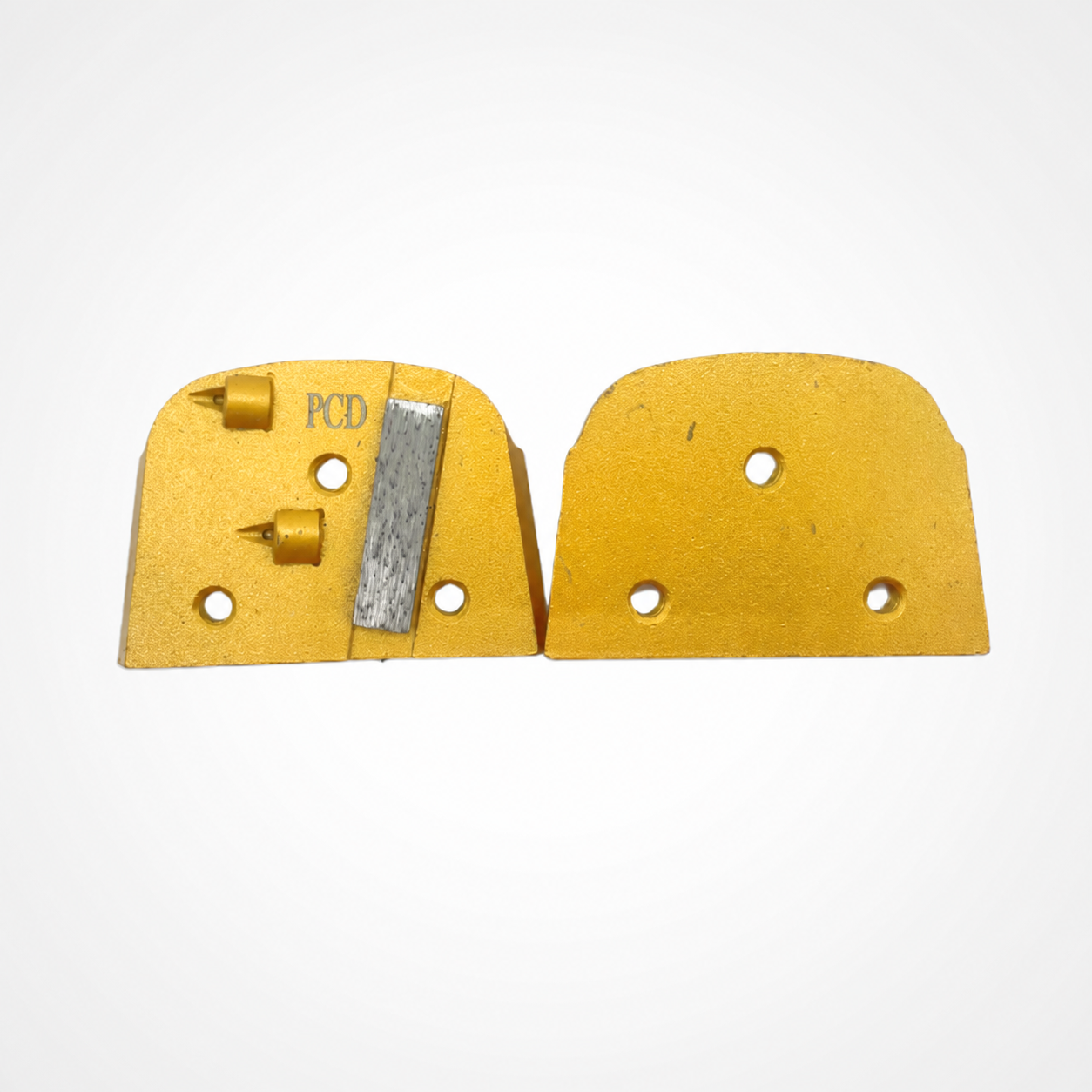
Before recommending floor tooling, verify the exact grinder model, mounting interface, usable diameter, rotation, clearance, tool count, operating method, and the material being processed.
Two tools with the same nominal diameter may not attach or run in the same way. Compatibility should be resolved before shipment because an incorrect mount creates schedule risk and can create unsafe operating conditions.
What This Guide Covers
- Confirm the Mounting Interface
- Describe How the Machine Operates
- Match the Tool to the Task and Surface
- Approve Fit Before Volume Production
Confirm the Mounting Interface
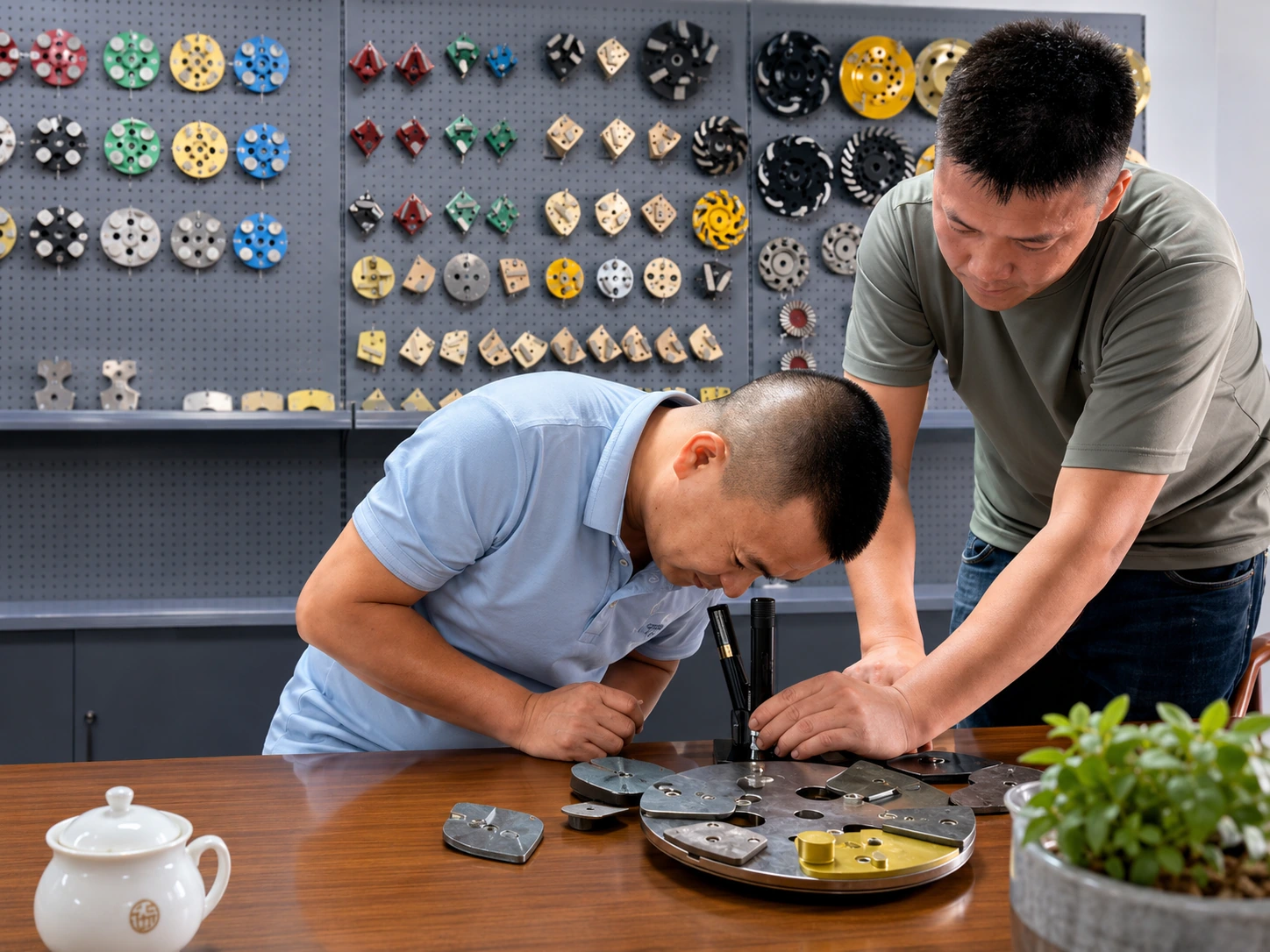
Provide the grinder manufacturer, model, plate photograph, attachment dimensions, and current tool reference. Note whether the system uses a slide-in shoe, bolt pattern, magnetic holder, quick-change plate, or another interface.
Check usable clearance, not only nominal tool diameter. Guards, dust skirts, fasteners, and adjacent tool positions can limit the actual geometry.
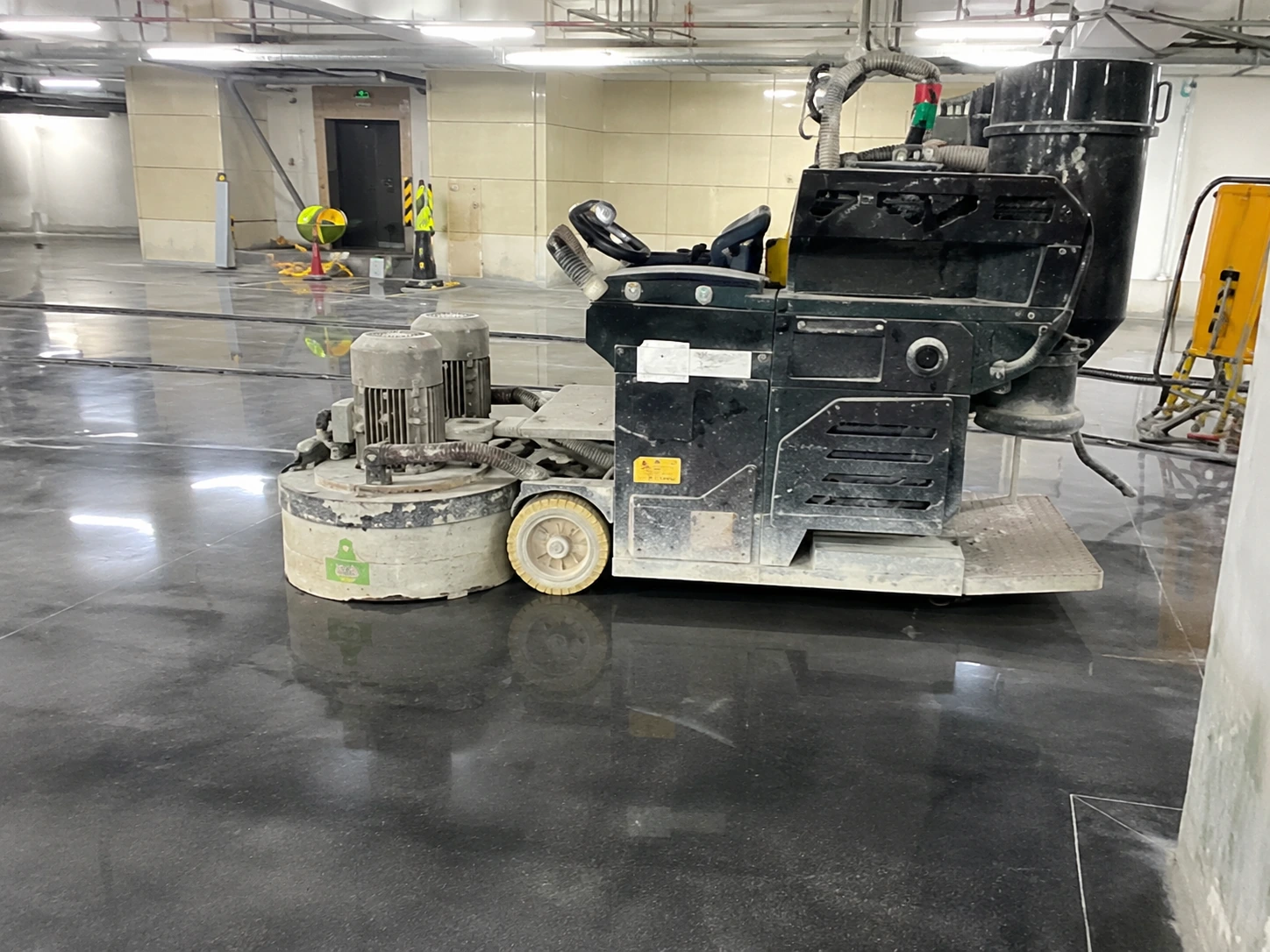
Describe How the Machine Operates
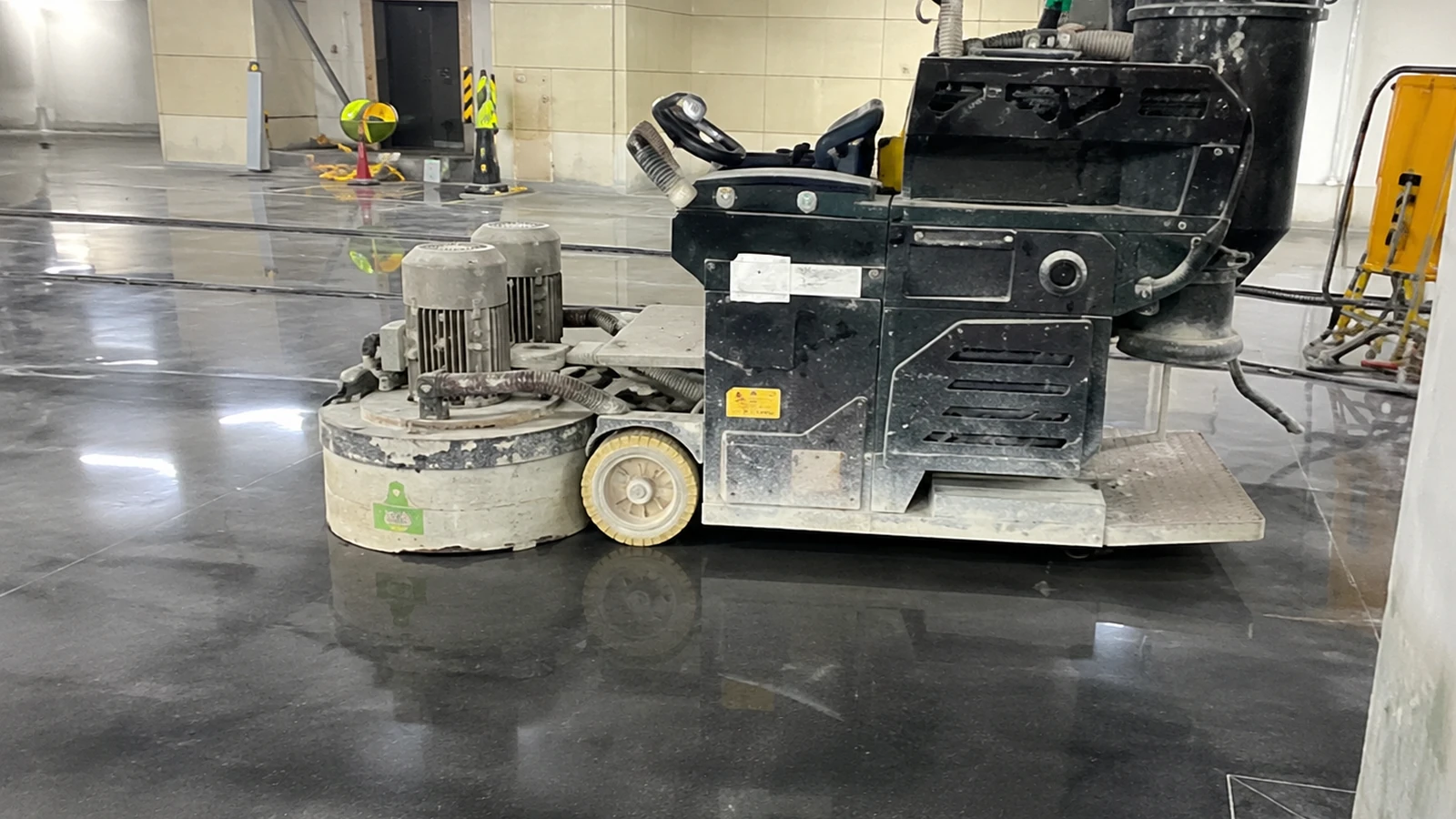
Machine weight, motor power, rotation direction, speed range, down pressure, and number of tooling positions affect contact and cutting behavior. The recommended configuration should be treated as an application starting point until verified on the actual floor.
| Machine detail | Selection impact |
|---|---|
| Rotation and direction | Segment orientation and attachment security |
| Weight and pressure | Contact load and cutting behavior |
| Tool count | Load distribution and production balance |
| Dust or water method | Tool family and jobsite controls |
Match the Tool to the Task and Surface
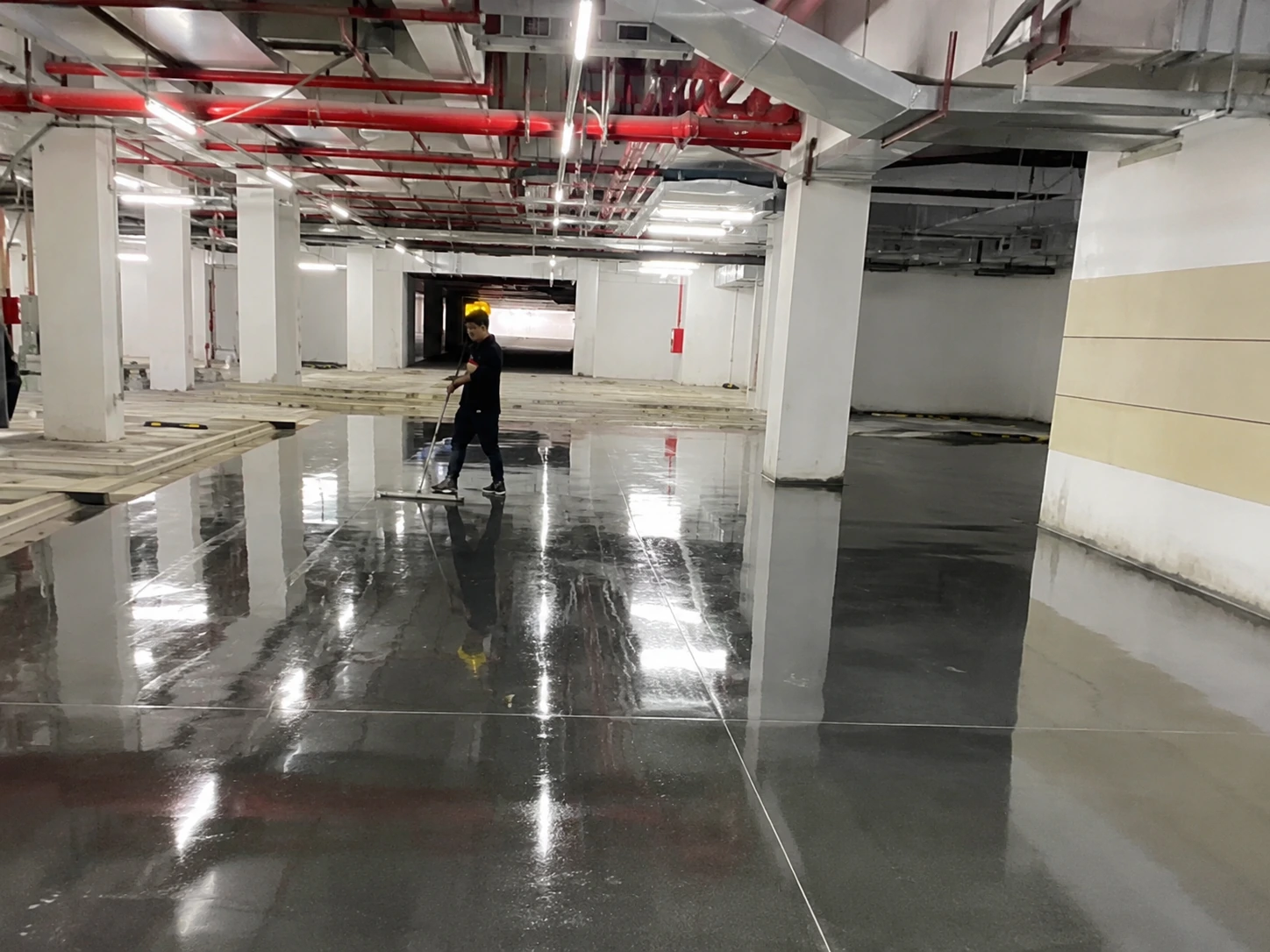
Grinding bare concrete, removing a coating, leveling high spots, and refining scratches are different tasks. Provide coating type and thickness when known, concrete condition, desired finish, edges or obstacles, and whether the work is wet or dry.
Grinding concrete can generate respirable crystalline silica. U.S. employers should review applicable controls and their exposure-control responsibilities in the OSHA construction silica guidance.
Approve Fit Before Volume Production
For an unfamiliar mount, approve a dimensioned drawing or physical fit sample before a volume order. Record any adapter or holder used during the test so the production configuration matches the trial.
Relevant formats are organized in the floor tool collection.
Buyer FAQ
Is diameter enough to identify a tool?
No. The mount, hole pattern, attachment direction, clearance, and machine plate are also required.
Can one bond work on all concrete?
Concrete and operating conditions vary, so confirm the bond direction against the project and validate it in a controlled trial.
Do you need the grinder serial number?
Usually the model and mounting details are more useful, but supply the serial information if the machine has model-year variations.
Can I use an adapter?
An adapter may be possible, but its fit, retention, clearance, and operating suitability must be confirmed for the machine.
Who is responsible for jobsite safety?
The employer and operator must follow applicable laws, the machine instructions, and the site exposure-control plan.
Prepare a Useful Project Request
Send clear photographs of the machine plate, mount, current tool, and a ruler or dimensions in the same request.
For a focused review, submit the product type, floor material or coating, machine model and mounting system, required dimensions, application environment, customization needs, estimated quantity, packaging requirements, destination country, and requested delivery window through our inquiry page.