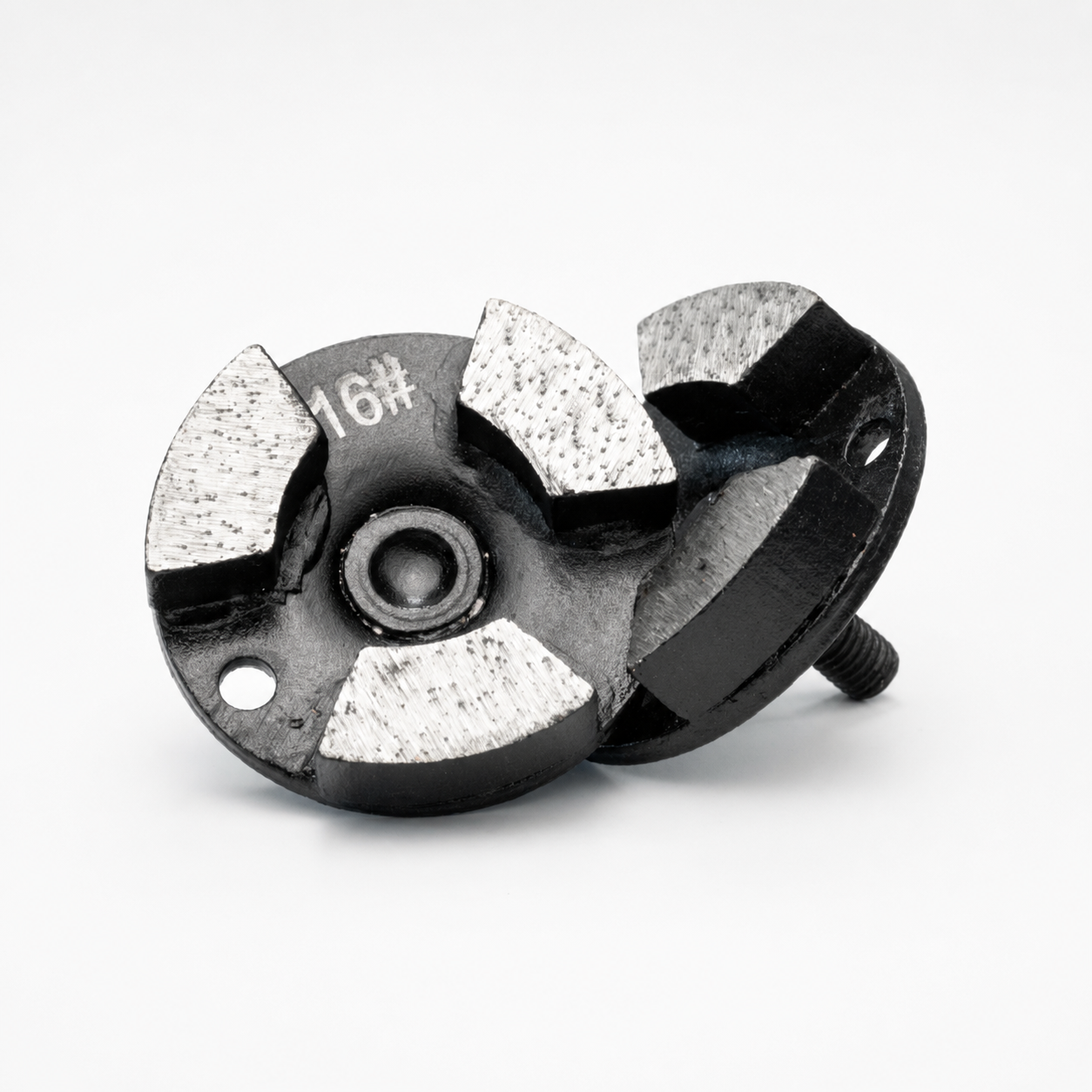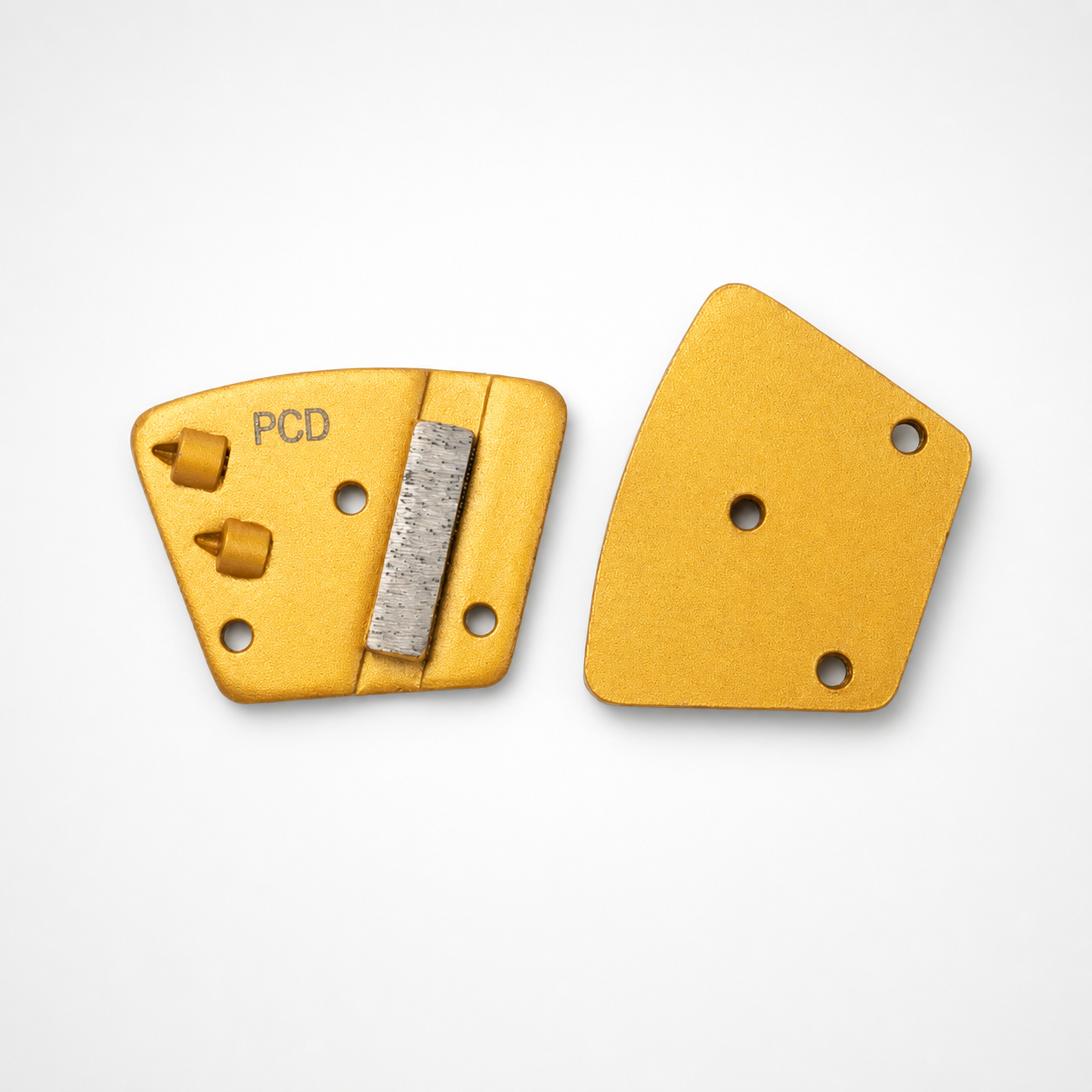
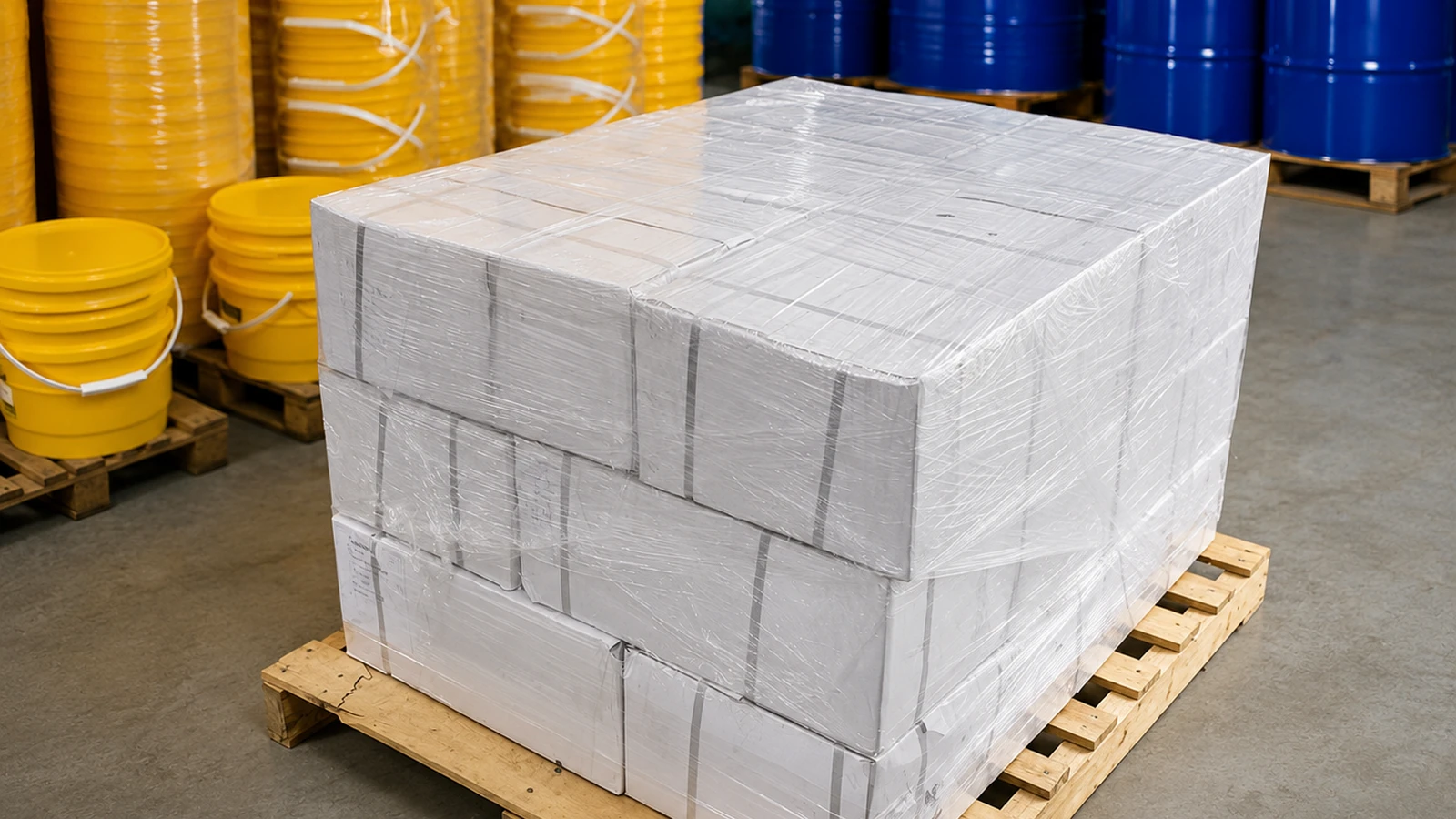
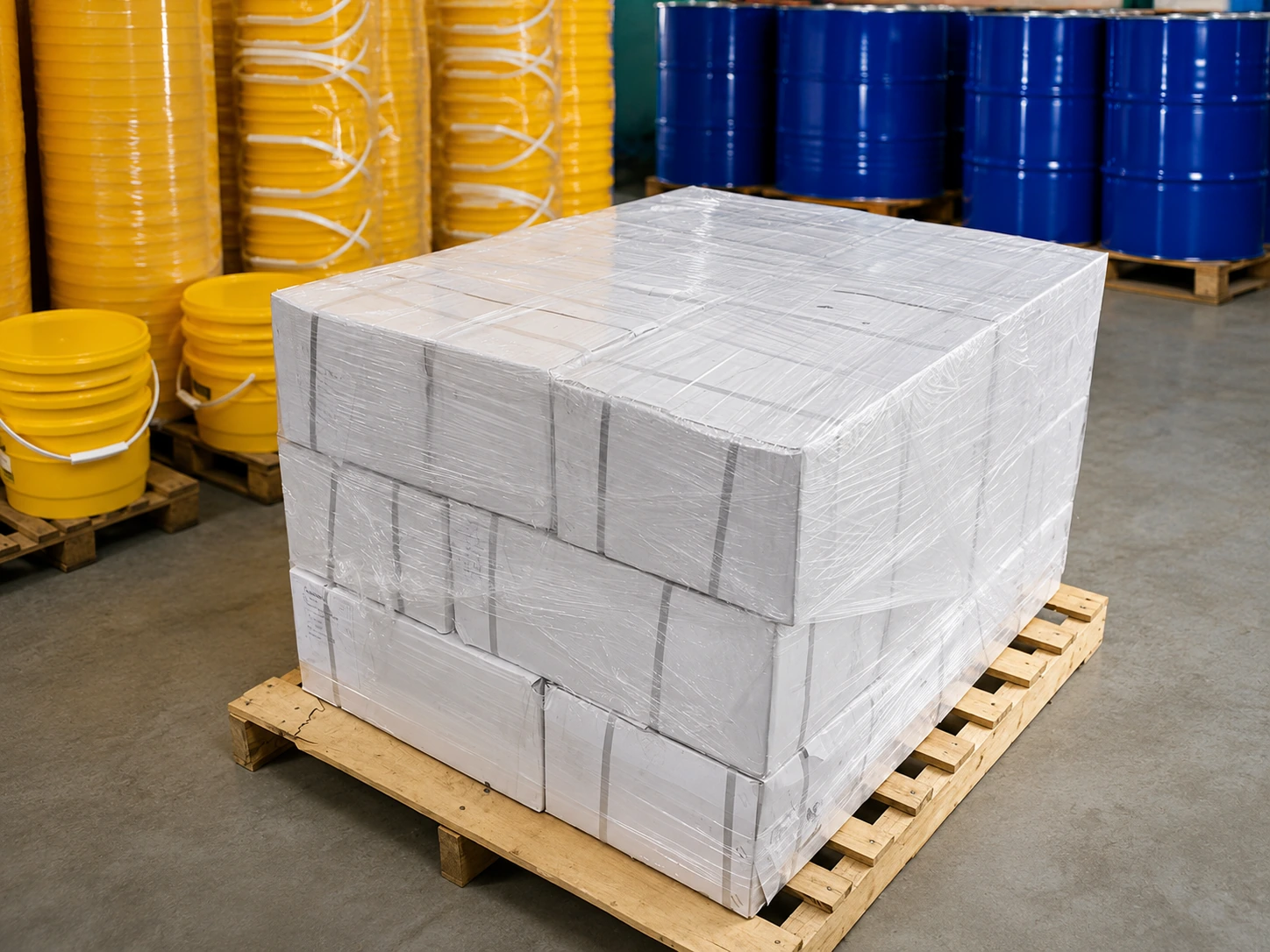
A practical export pack for diamond floor tools combines secure inner separation, clearly identified cartons, stable palletization, moisture protection where needed, and destination-specific wood-packaging review.
Diamond tools are compact but relatively dense, which makes carton strength and load distribution important. Mixed grits and mounts also require clear identification so receiving teams can sort the order without opening every package.
What This Guide Covers
- Define the Pack Design
- Make Mixed Orders Easy to Receive
- Check Wood Packaging for U.S. Entry
- Provide Shipping Inputs Early
Define the Pack Design
Specify units per inner box, boxes per carton, carton markings, barcode needs, pallet limits, and any private-label requirements. Heavy metal tools should be separated so their working segments and mounting features do not strike each other during handling.
| Layer | Buyer decision |
|---|---|
| Individual or inner pack | Protection, identification, and retail readiness |
| Master carton | Pack count, gross-weight handling, and carton mark |
| Pallet or case | Stability, forklift access, and route protection |
| Shipping documents | Item references, quantities, and destination instructions |
Make Mixed Orders Easy to Receive
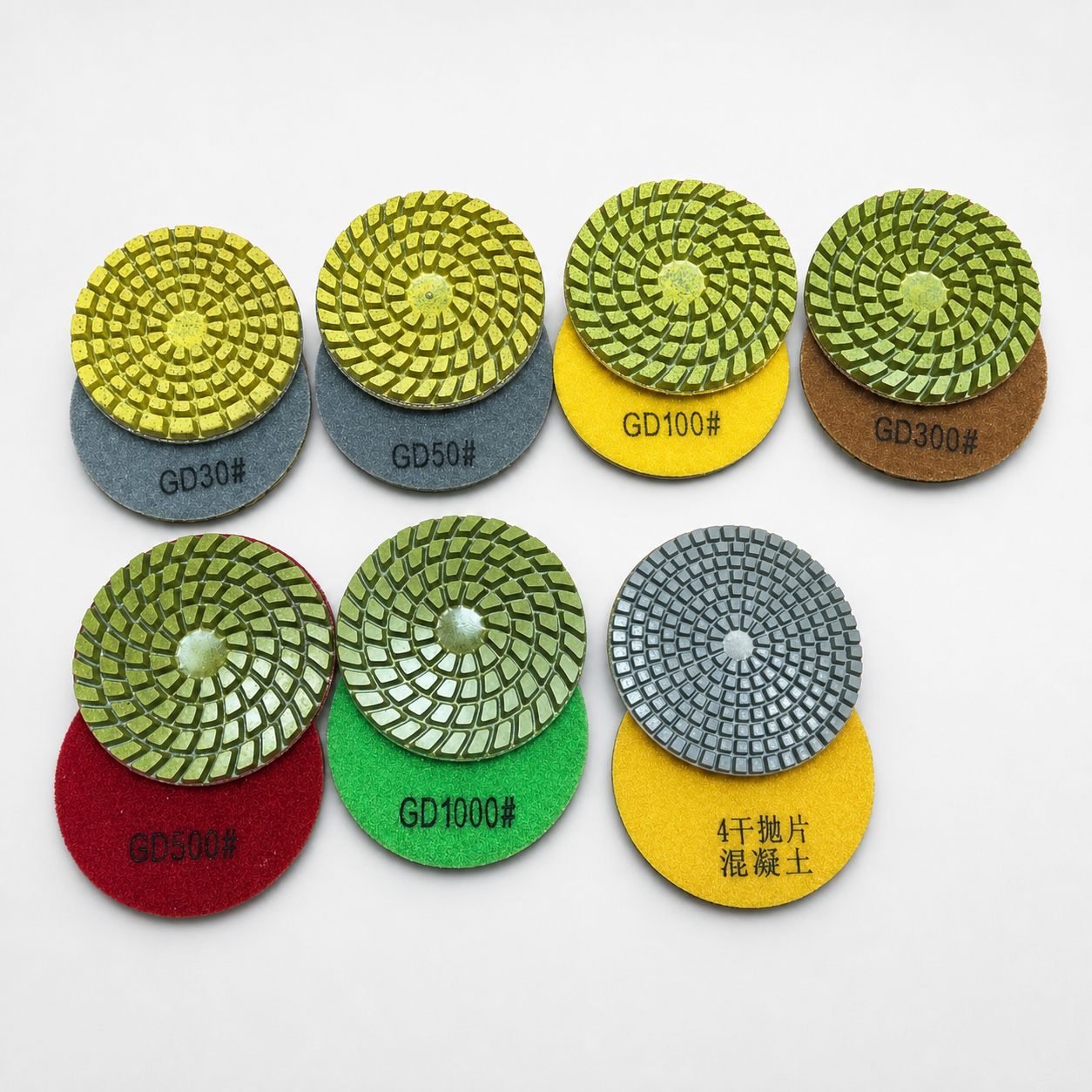
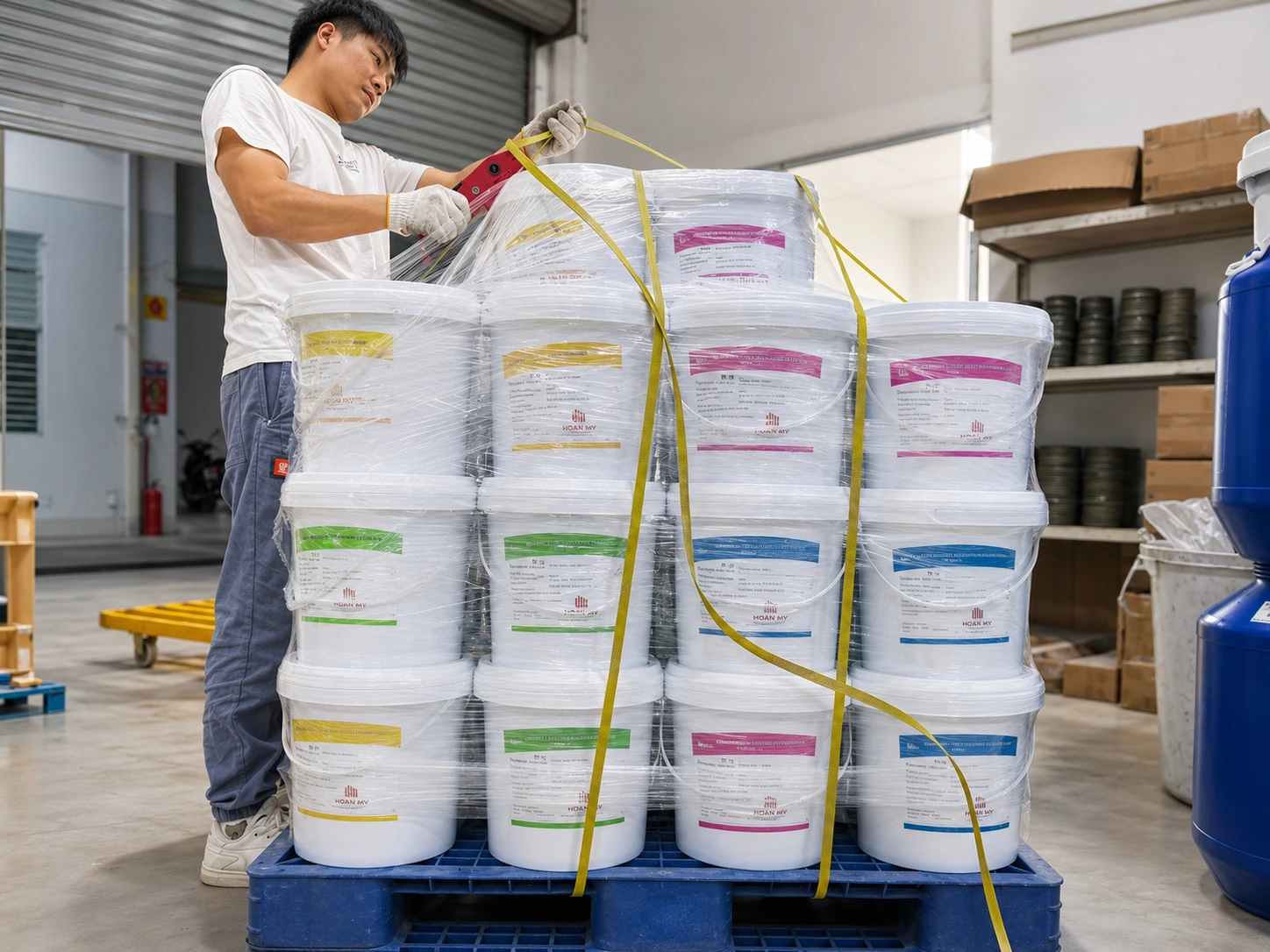
Use consistent product codes and visible grit or configuration identifiers on the inner and outer package. When colors are used, keep written identification as the controlling reference because color conventions can differ between suppliers.
Country-of-origin marking and other import labels should be reviewed for the actual shipment. U.S. buyers can consult U.S. Customs and Border Protection rulings resources or their customs broker for the final product and packaging.
Check Wood Packaging for U.S. Entry
When regulated solid wood pallets, crates, or dunnage are used, confirm the applicable U.S. requirements before loading. USDA APHIS states that regulated wood packaging entering the United States must meet ISPM 15 treatment and marking requirements; buyers should review the current APHIS wood packaging guidance.
This requirement concerns the packaging material, not a claim about the product itself. Confirm the final pallet or case specification with the supplier and freight partners.
Provide Shipping Inputs Early
Share destination, preferred mode, receiving limitations, pallet restrictions, labeling instructions, and whether mixed products must be separated. Freight cost and transit time should be confirmed for the packed dimensions and final shipment date.
Use the inquiry page to attach a packing reference or receiving label specification.

Buyer FAQ
Can I request my own carton artwork?
Yes, submit editable artwork, dimensions, colors, placement, and required legal text for review.
Are pallets always required?
Not always. The decision depends on weight, carton count, handling route, consolidation, and buyer receiving requirements.
Can different grits be packed together?
They can, but each item should remain clearly separated and identified.
Is ISPM 15 required for every pallet?
It applies to regulated wood packaging; exemptions and material differences exist, so confirm the actual packaging with current APHIS guidance and your broker.
When is freight confirmed?
Confirm freight after final packed weight, dimensions, destination, mode, and shipment timing are available.
Prepare a Useful Project Request
Include pack count, label artwork, pallet preferences, destination, and receiving constraints with the product specification.
For a focused review, submit the product type, floor material or coating, machine model and mounting system, required dimensions, application environment, customization needs, estimated quantity, packaging requirements, destination country, and requested delivery window through our inquiry page.