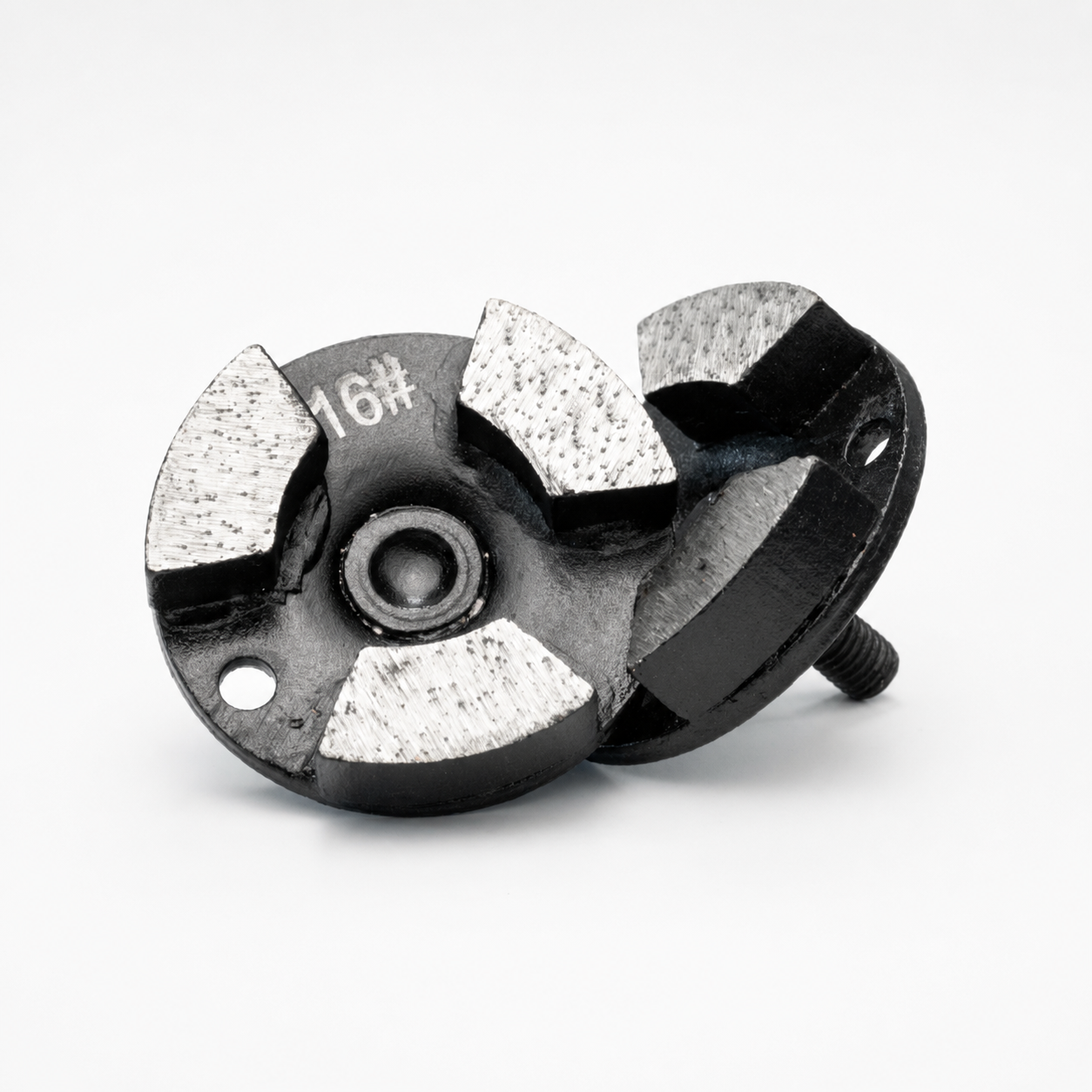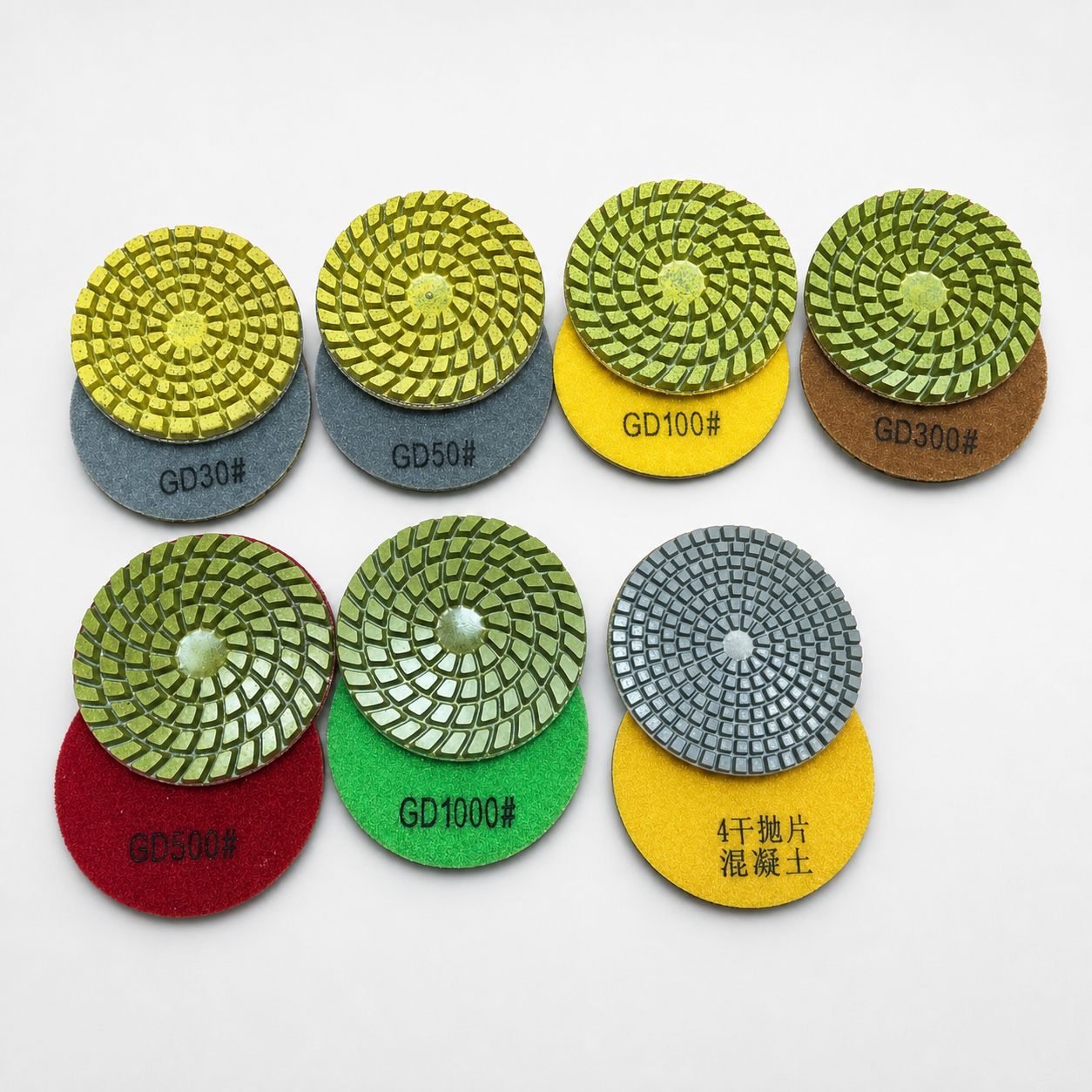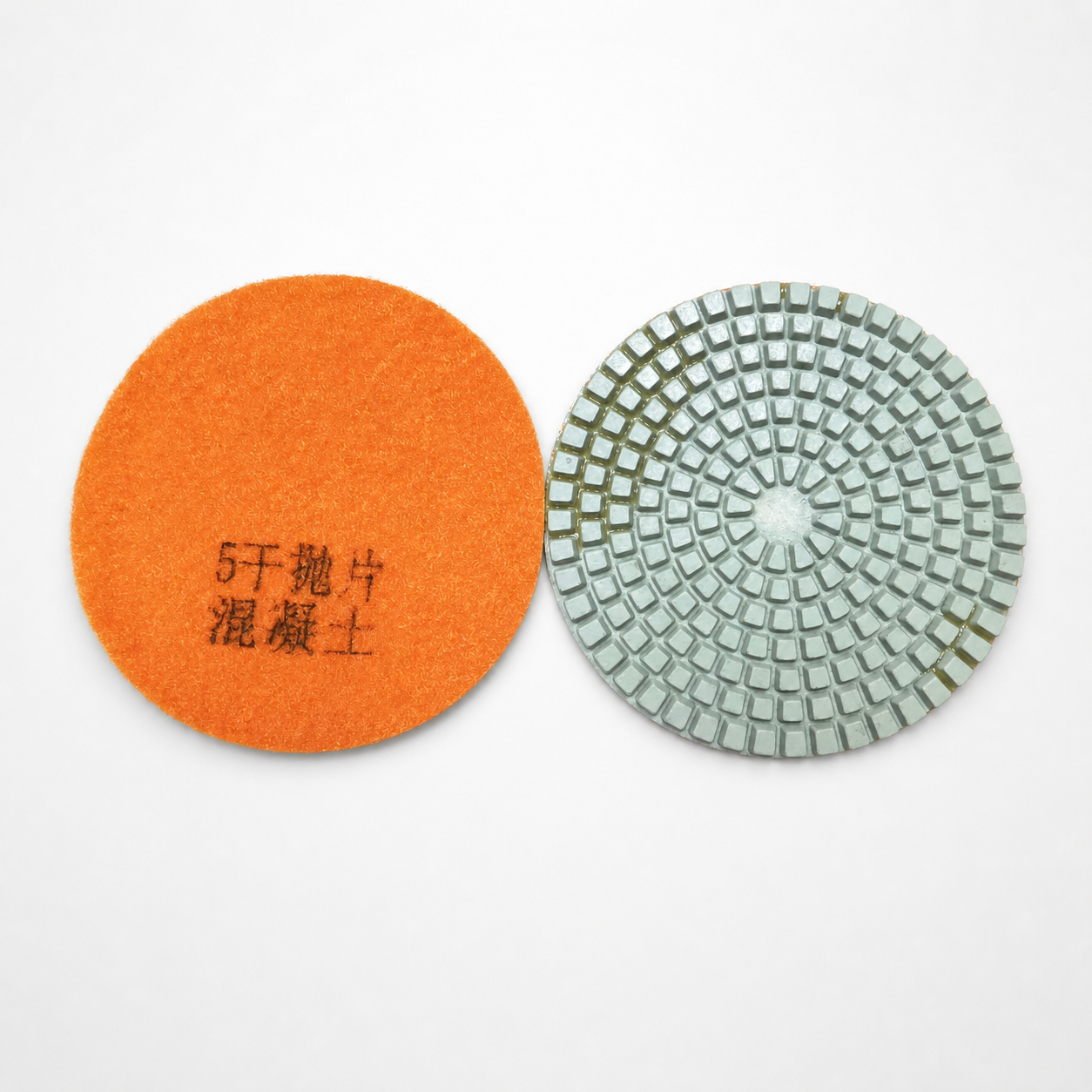

A controlled OEM or ODM diamond tool project follows six stages: requirement definition, feasibility review, approved specification, sample evaluation, artwork approval, and production release.
Customization can range from a label change to a new mounting plate or segment arrangement. The first task is to define which elements are fixed, which may change, and how the buyer will approve the result.
What This Guide Covers
- Separate OEM From Deeper Product Development
- Prepare a Complete Design Package
- Evaluate the Sample Against Defined Criteria
- Release the Approved Revision
Separate OEM From Deeper Product Development
A private-label project may keep an existing tool configuration while changing color, logo, label, and packaging. A deeper ODM request may involve dimensions, mounting, segment layout, or another functional choice that requires technical review and validation.
Do not assume that every visible feature can change without affecting fit or performance. Ask for feasibility against the final specification.
Prepare a Complete Design Package
Submit drawings or measured references, machine compatibility information, application requirements, target identifiers, artwork files, packaging views, and approval contacts. Keep a revision code on every file.
| File | Control point |
|---|---|
| Product specification | Dimensions, mount, configuration, and application |
| Artwork | Logo, colors, label size, and placement |
| Packaging specification | Pack count, carton mark, barcode, and pallet notes |
| Approval record | Sample result, signed drawing, and revision date |
Evaluate the Sample Against Defined Criteria
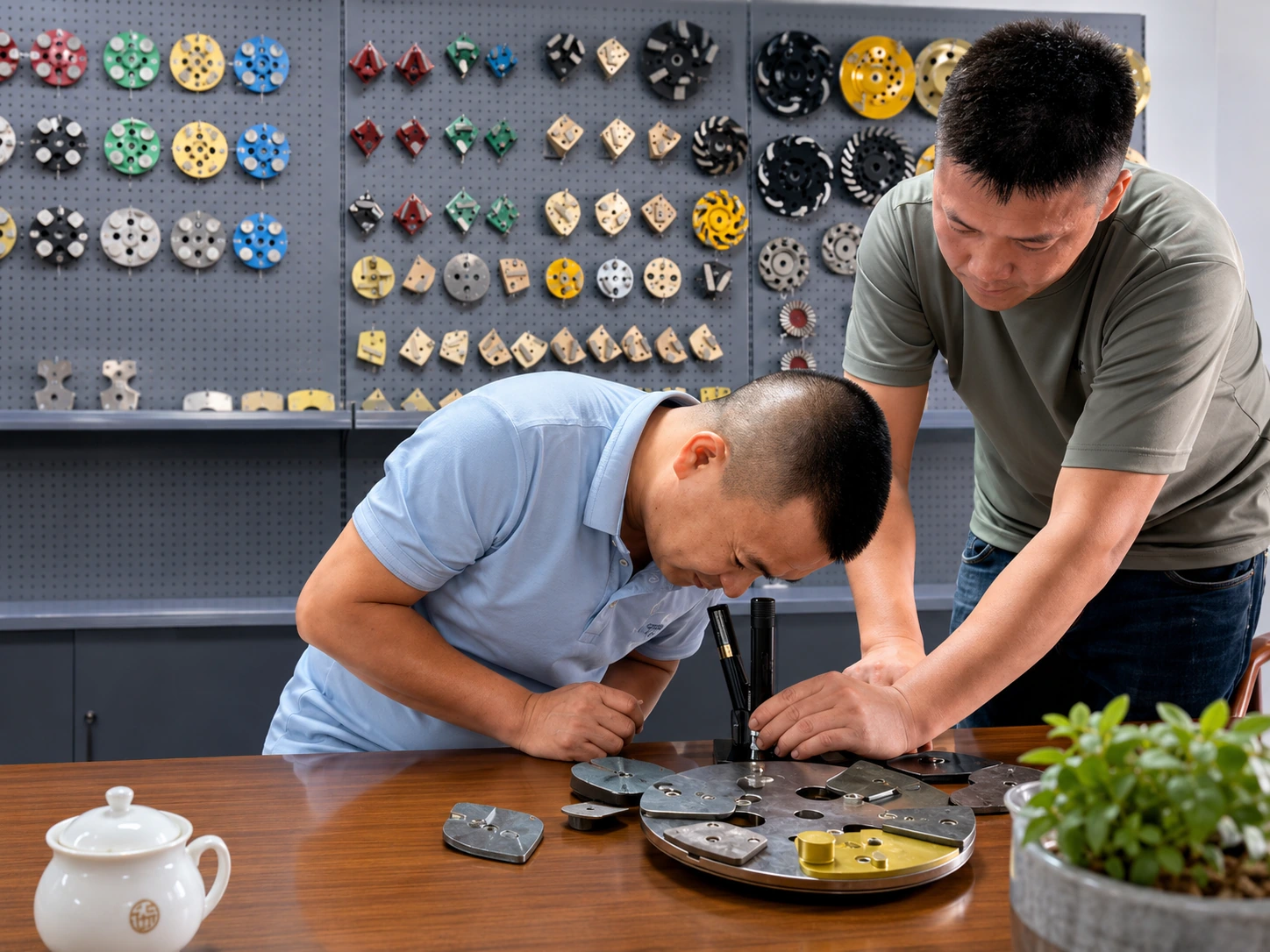
A sample plan should state the machine, surface, task, operating method, and observations. Record fit, attachment, cut behavior, scratch pattern, wear appearance, and any abnormal vibration or heat rather than relying on a single subjective rating.
If a parameter or test is not available on the site, confirm it with the supplier based on the final specification. Do not treat a generic sample as proof for every floor condition.
Release the Approved Revision
Before production, confirm the final drawing, product identification, artwork, pack count, shipping marks, and order quantity. Later changes should create a new revision instead of replacing an approved file without a record.
Review available formats in the new diamond grinding tool series before requesting a new base design.

Buyer FAQ
Can I add my logo only?
A private-label request may be possible; provide artwork, size, placement, colors, and packaging requirements for review.
Do I need a drawing?
A drawing is strongly preferred for custom dimensions or mounting. A physical sample may supplement it when geometry is difficult to document.
How is MOQ determined?
Confirm MOQ after the supplier reviews the product configuration, tooling needs, artwork, and packaging.
Can I change the color by grit?
Request a color map and written grit identification so the convention remains clear.
Who owns the final specification?
The commercial agreement should state document ownership and use; keep an approved copy in the buyer’s records.
Prepare a Useful Project Request
Send the base product reference, requested changes, machine and application information, editable artwork, quantity estimate, packaging plan, and approval criteria.
For a focused review, submit the product type, floor material or coating, machine model and mounting system, required dimensions, application environment, customization needs, estimated quantity, packaging requirements, destination country, and requested delivery window through our inquiry page.