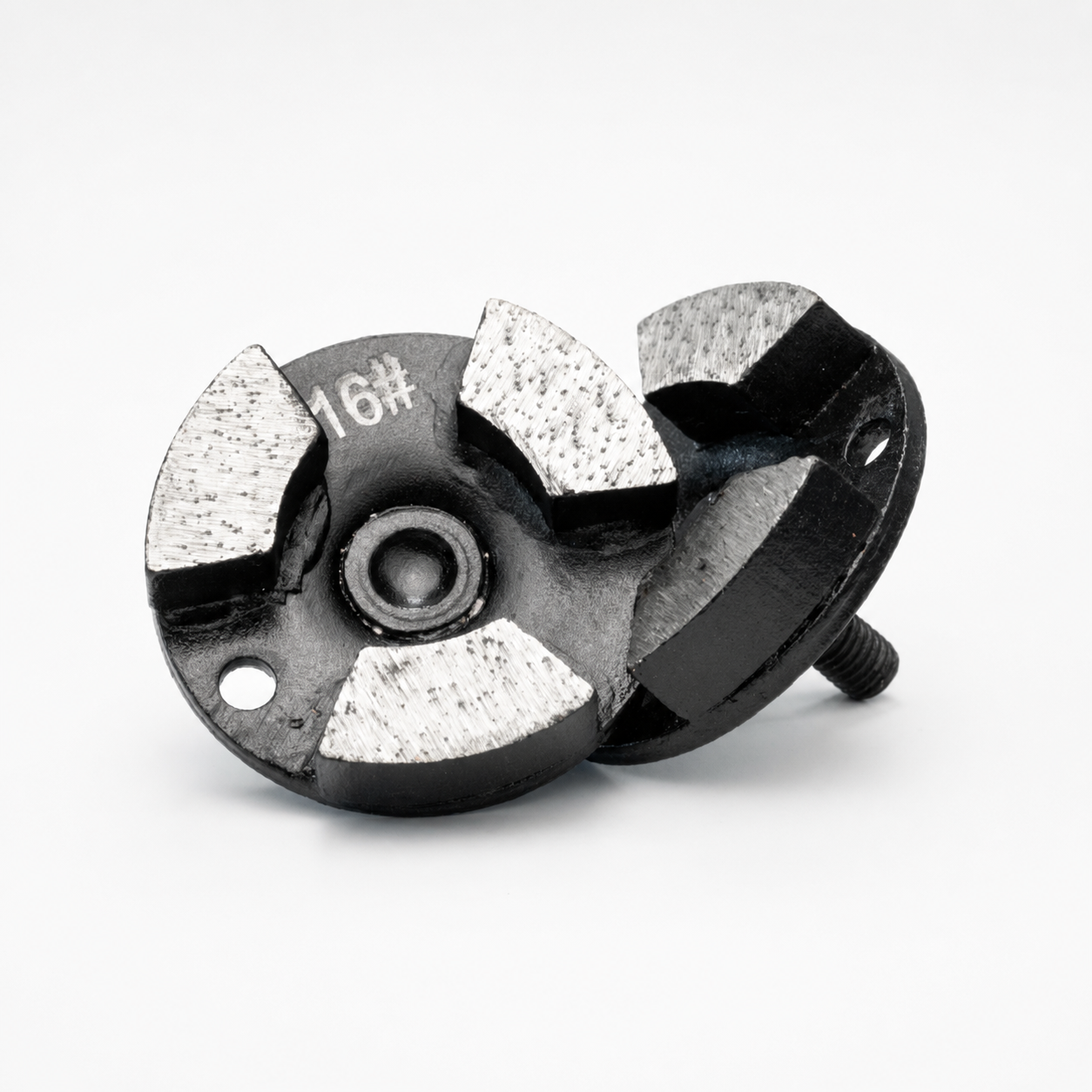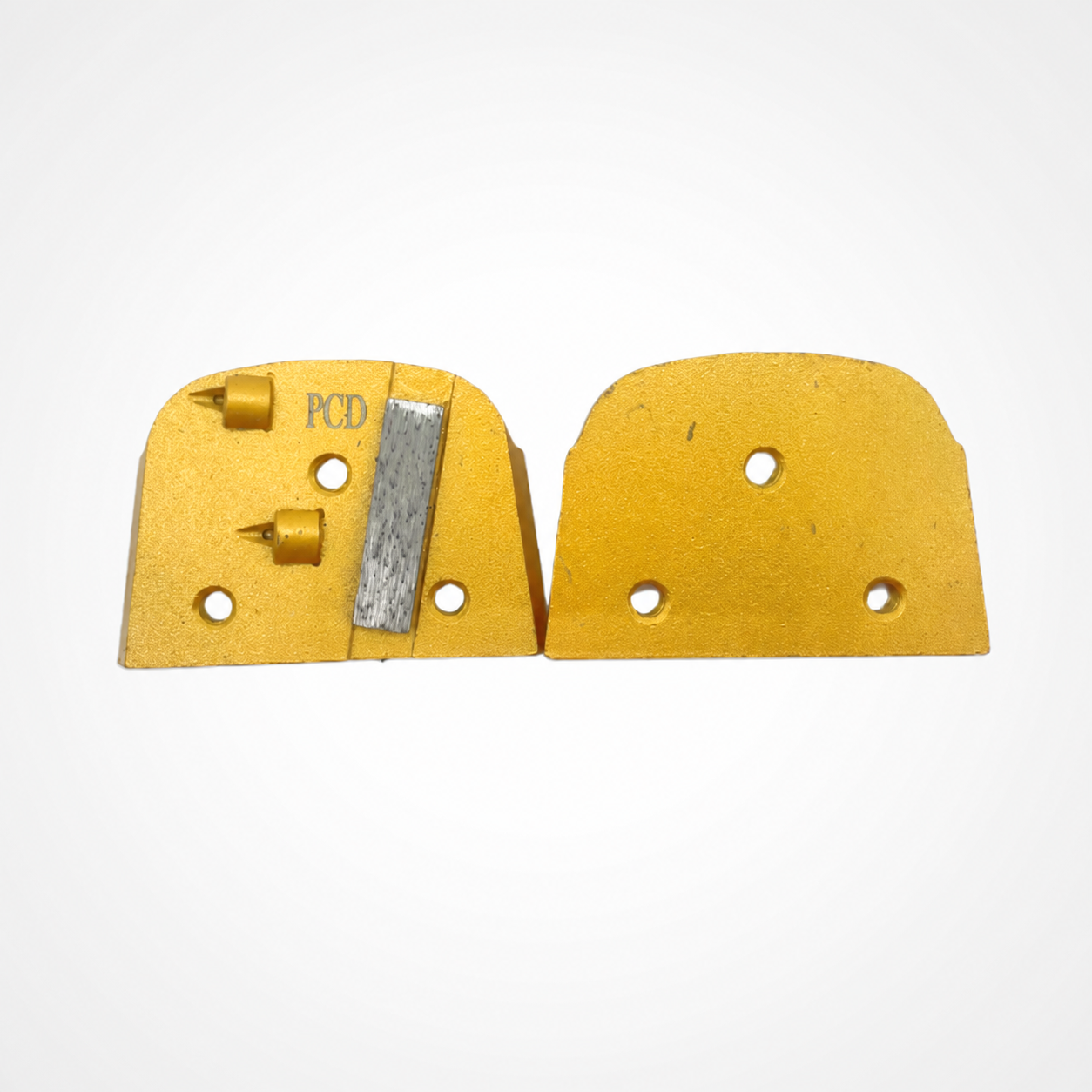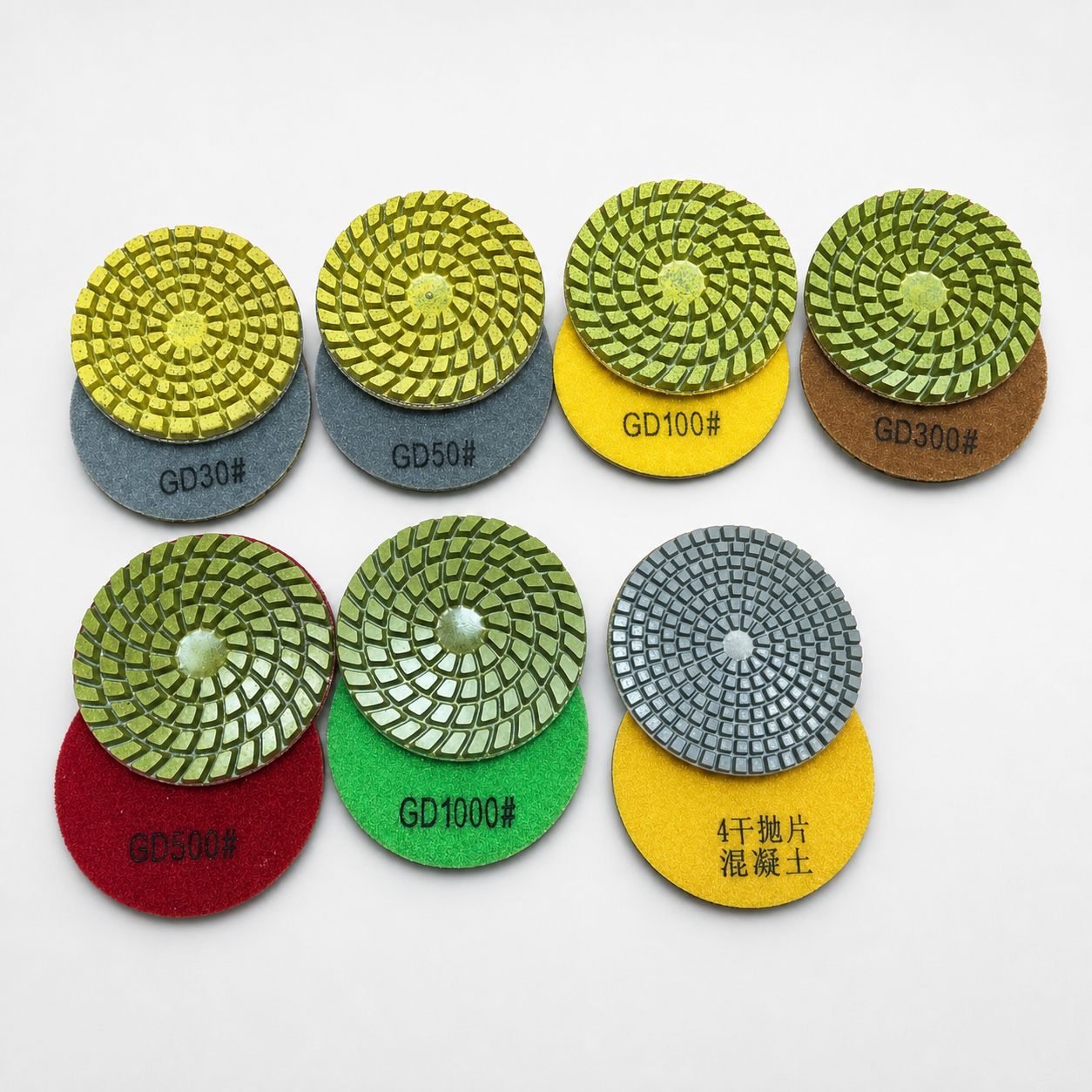
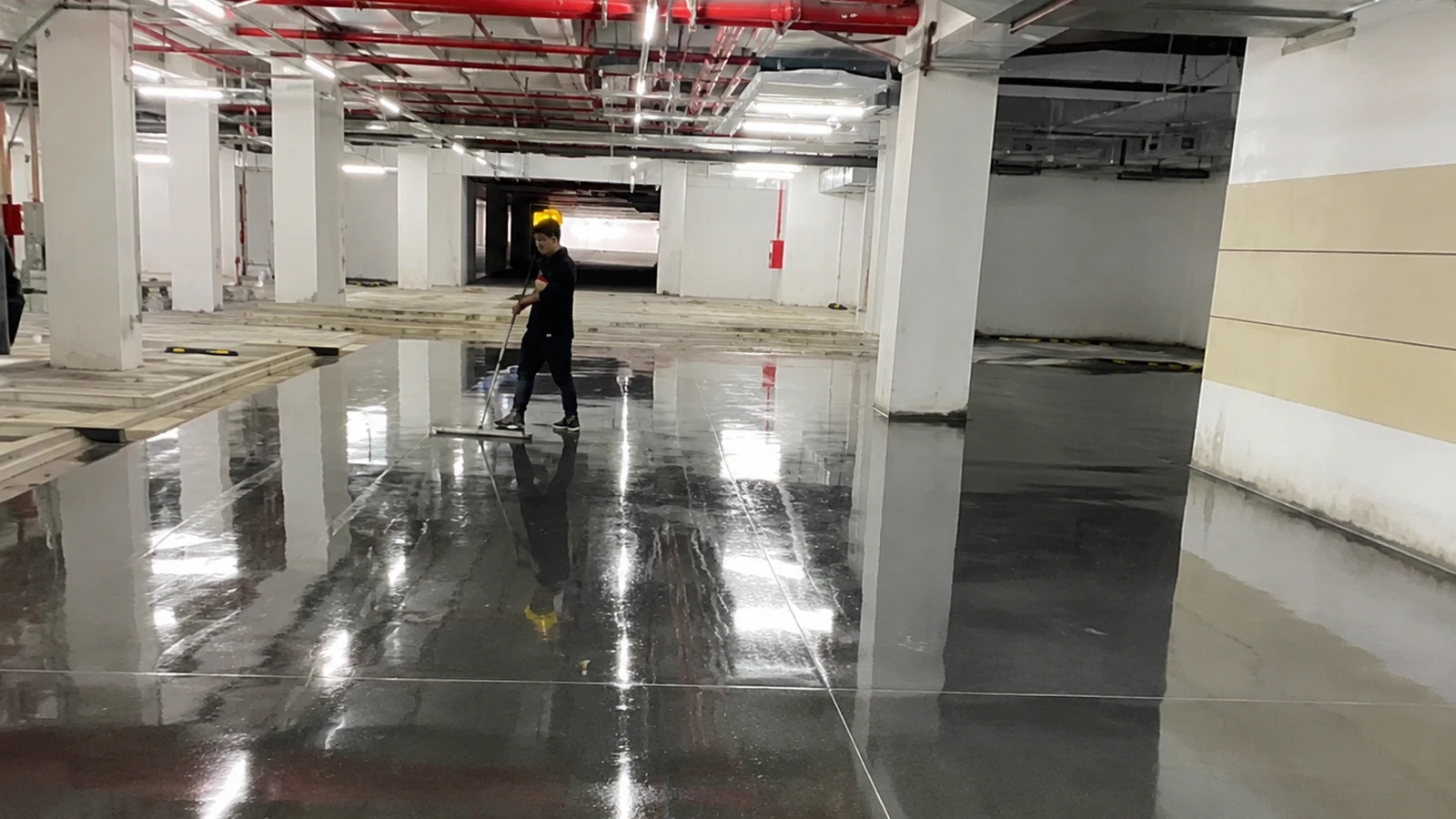
The most useful diamond tool feedback records the item, machine, mount, floor or coating, previous step, operating method, area completed, cut rate, scratch pattern, wear appearance, heat, vibration, and loading.
Statements such as “the tool is slow” or “the pad did not last” do not show why. A short field report gives buyers and suppliers enough context to recommend the next controlled change.
What This Guide Covers
- Record Conditions Before the Test
- Use Observable Language
- Change One Major Variable at a Time
- Close the Feedback Loop
Record Conditions Before the Test
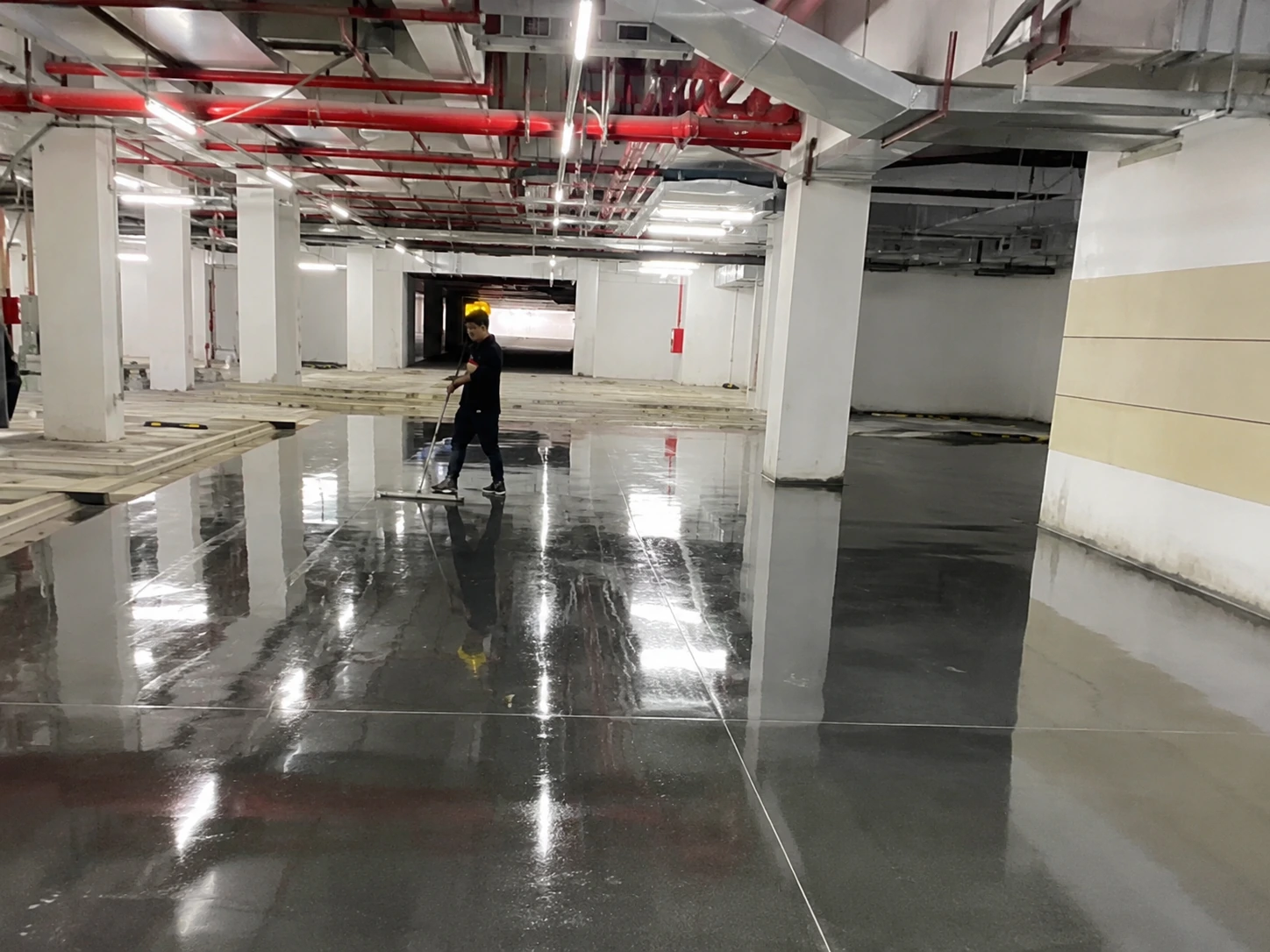
Identify the product code, machine, mount, tool count, floor or coating, approximate area, previous step, wet or dry method, speed or operating setting where known, and the result expected. Take a surface photograph before work begins.
| Observation | Useful evidence |
|---|---|
| Fit and attachment | Mount photo and any adapter reference |
| Cut or removal | Timed area and visible before/after condition |
| Scratch refinement | Previous grit, current grit, and close surface views |
| Wear or loading | Tool face photos at consistent intervals |
Use Observable Language
Describe glazing, loading, uneven wear, segment loss, vibration, heat, scratch persistence, or coating smear when those conditions are visible. Avoid assigning a cause until the machine setup and process have been reviewed.
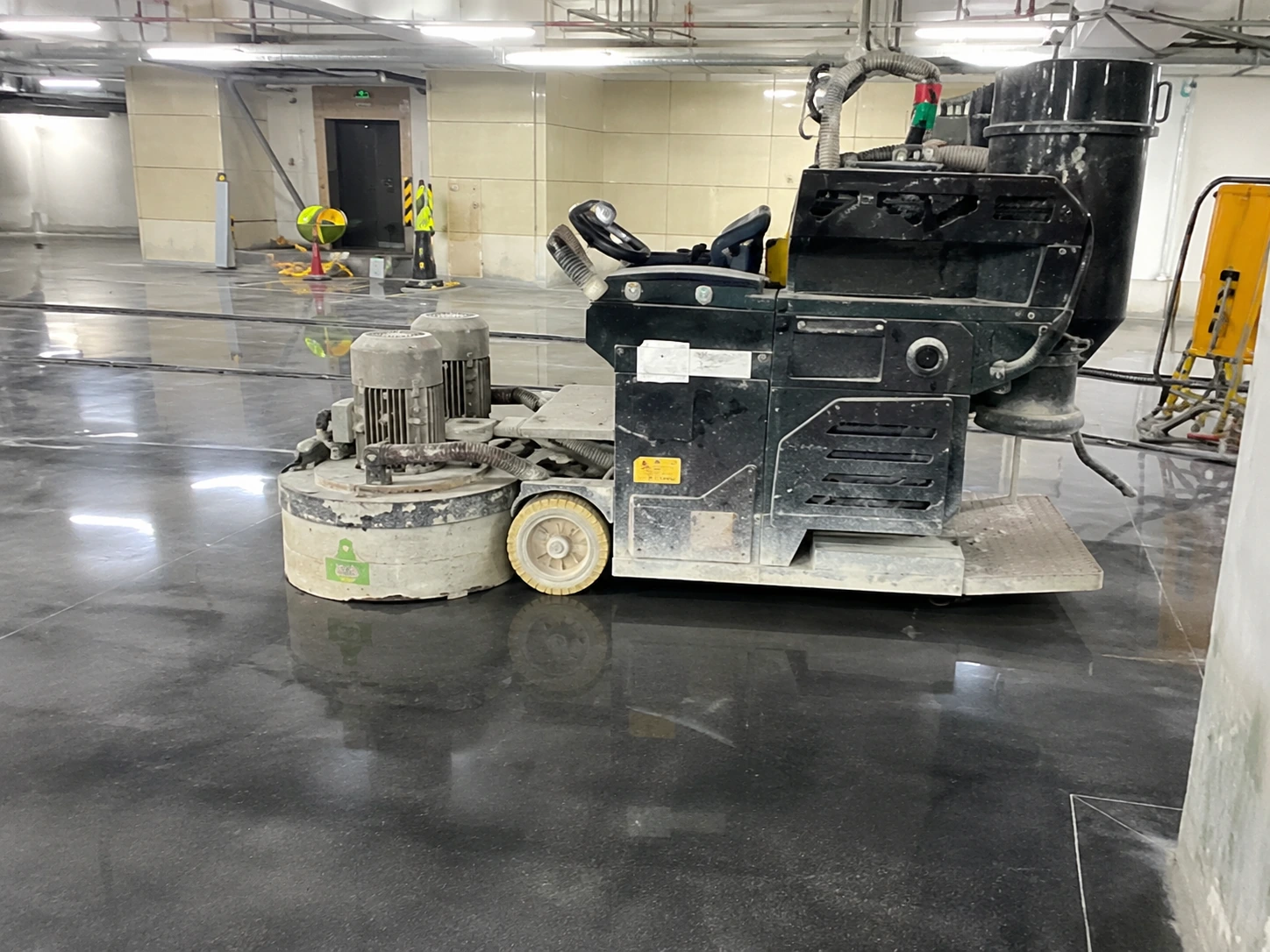
Photographs should include the full tool, working face, mount, floor, and machine plate. A ruler or known scale helps when reporting dimensions or wear.
Change One Major Variable at a Time
When practical, adjust one primary variable and repeat a controlled area. Simultaneously changing bond, grit, machine pressure, speed, and water makes it difficult to learn which change affected the result.
Jobsite personnel should follow the machine instructions and applicable exposure controls. OSHA’s silica construction guidance is a starting point for U.S. employers working with concrete.
Close the Feedback Loop
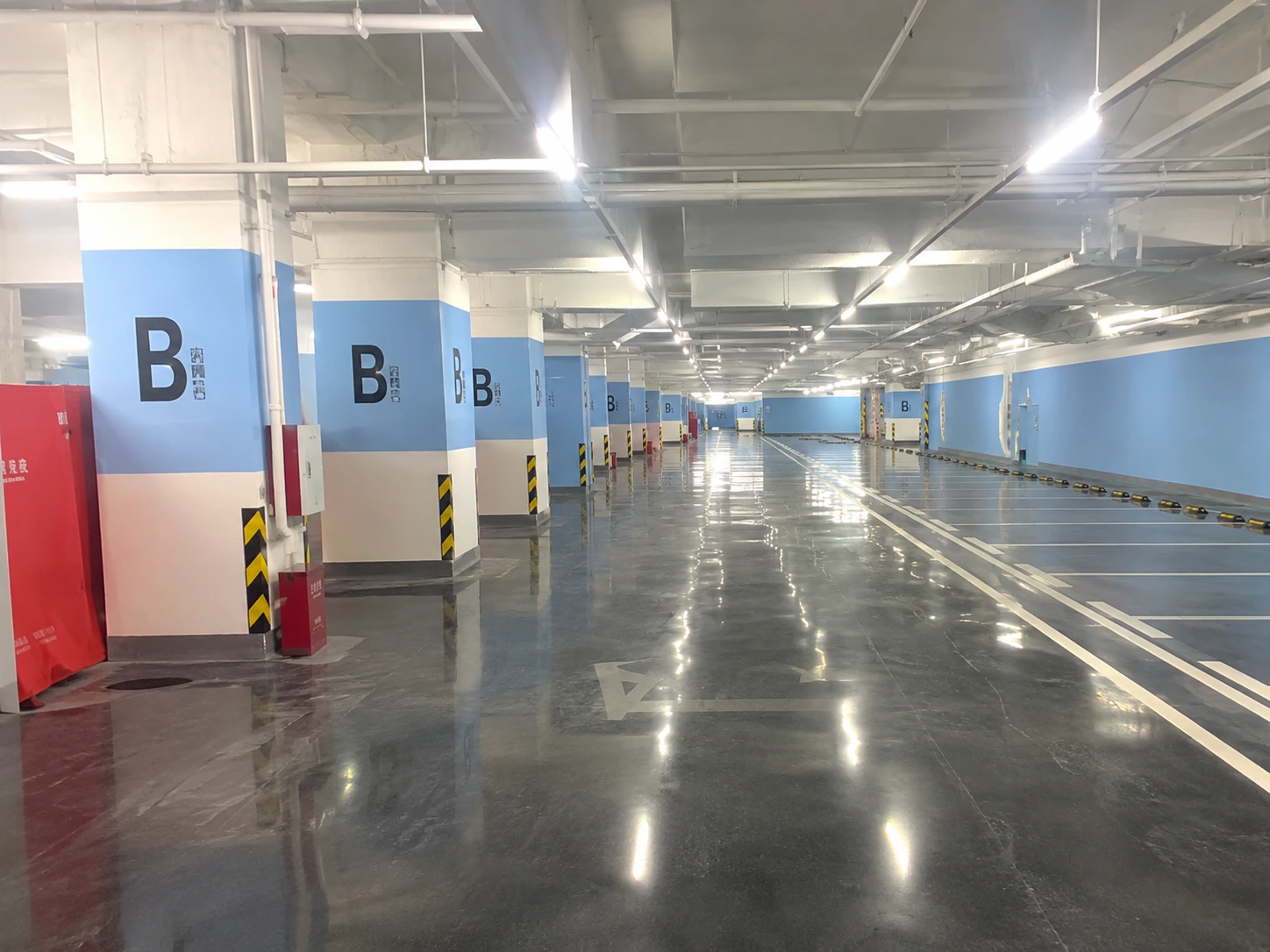
Compare the trial with the intended task and decide whether the next action concerns fit, bond direction, grit, segment layout, process sequence, or operating method. Keep the report with the purchase record so the next order does not restart from memory.
Buyers can reference the exact item in the diamond floor tool collection when submitting feedback.
Buyer FAQ
How many photos should I send?
Send enough to show the product code, working face, mount, machine, floor before and after, and any abnormal condition.
Is coverage alone a performance measure?
Coverage is useful only with the machine, floor, process, operating method, and acceptance target.
What if concrete hardness is unknown?
Report observable behavior, project history, machine settings, current tooling response, and photographs.
Should I return the used tool?
Ask the supplier whether a physical return is needed after photographs and order details are reviewed.
Can one test define the next bulk order?
A representative controlled test is helpful, but broader variation and the buyer’s risk tolerance should guide approval.
Prepare a Useful Project Request
Send the product code, order reference, machine and mount, floor or coating, process sequence, operating method, measured area or time, observations, and clear photographs.
For a focused review, submit the product type, floor material or coating, machine model and mounting system, required dimensions, application environment, customization needs, estimated quantity, packaging requirements, destination country, and requested delivery window through our inquiry page.