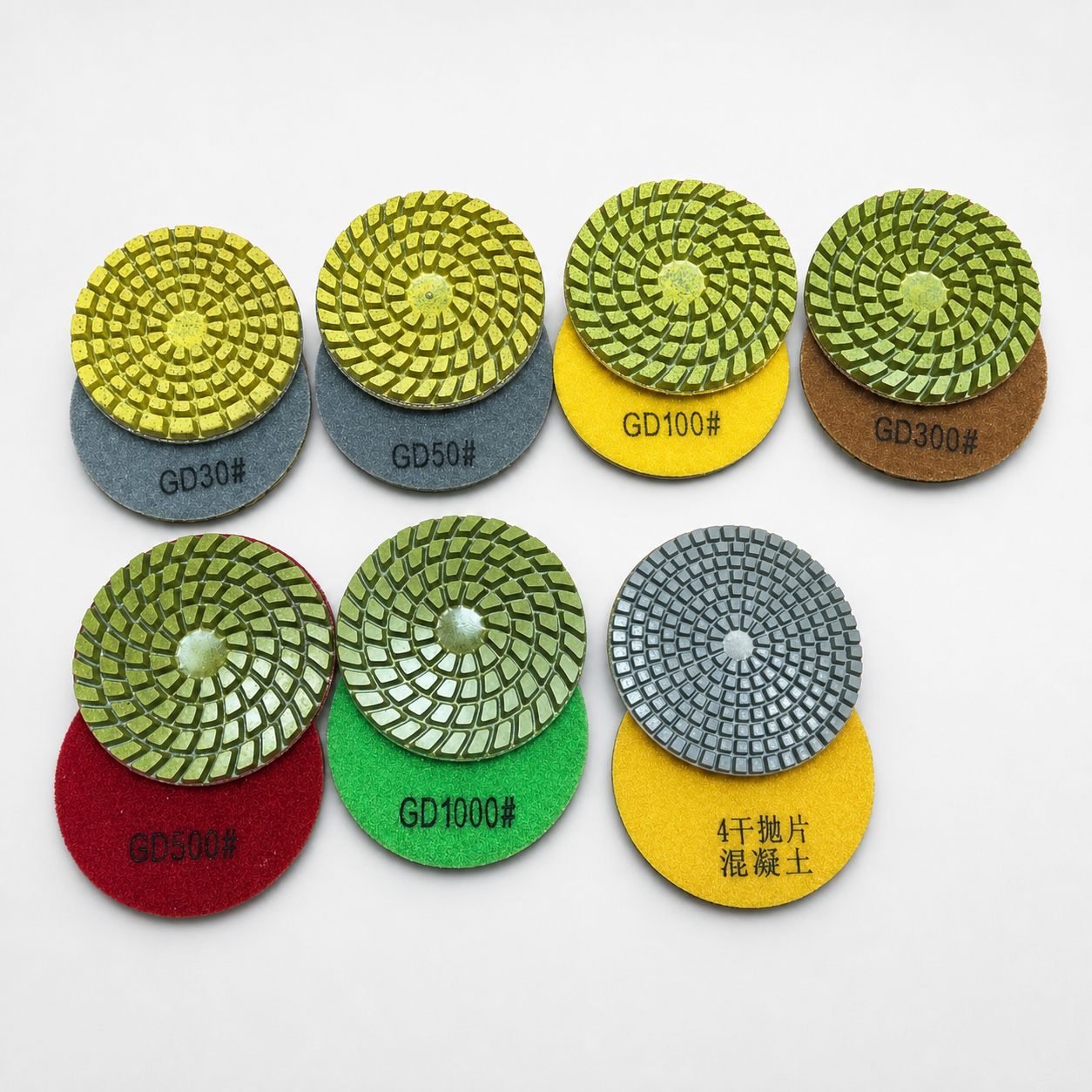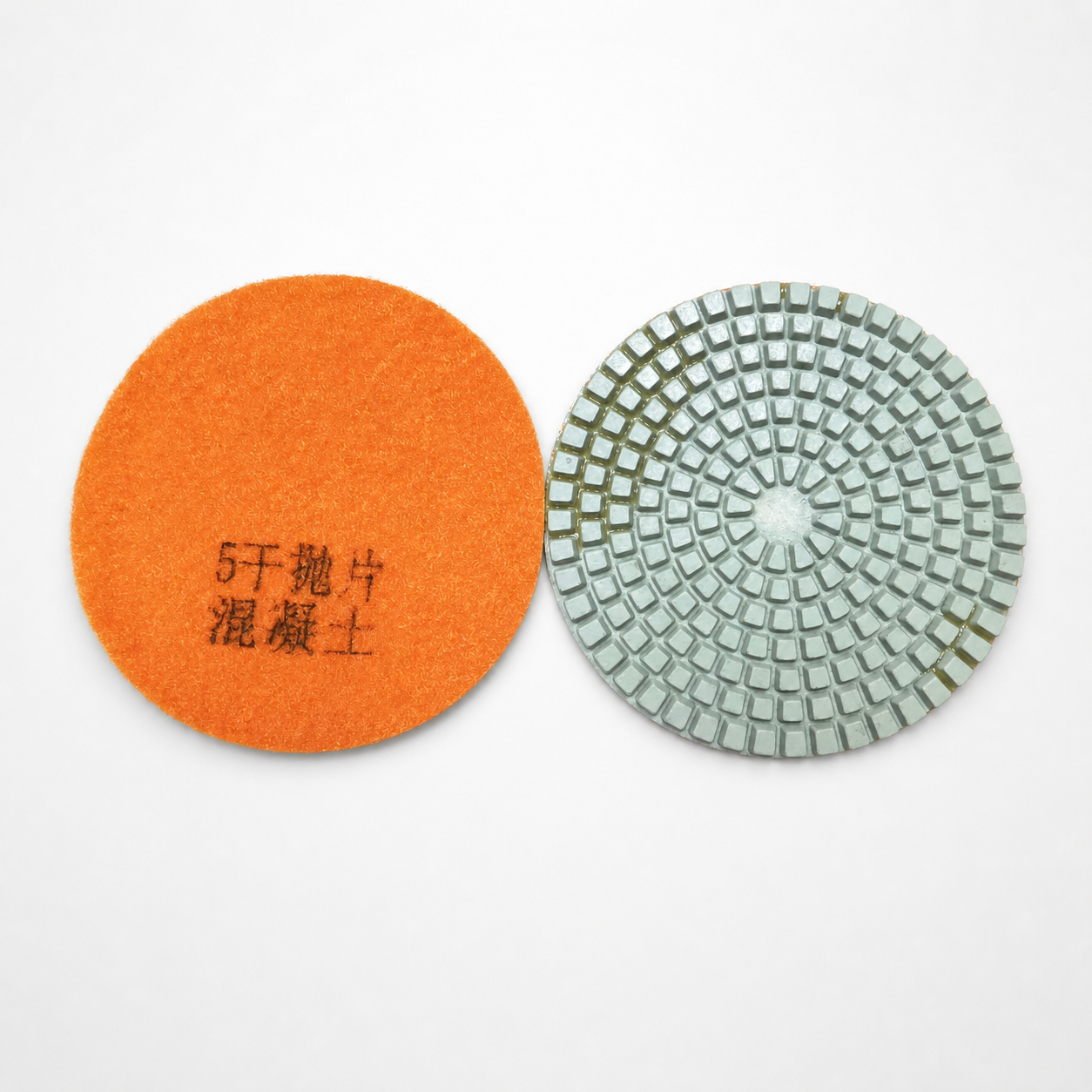
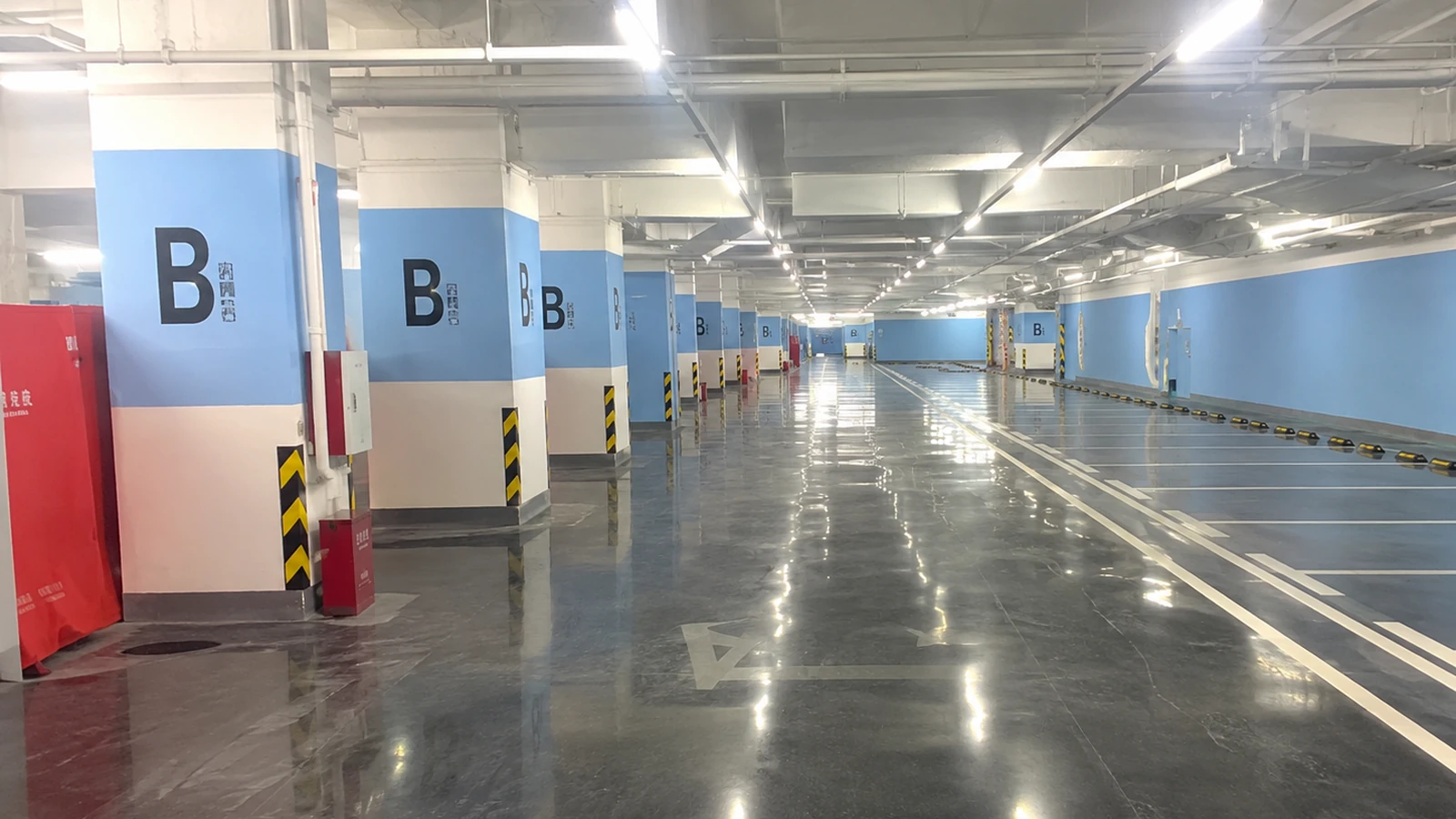
Choose wet or dry concrete polishing pads by evaluating machine approval, site water restrictions, slurry or dust controls, starting scratches, pad sequence, cleanup, and the required finish.
Wet and dry are not simply two versions of the same operating method. They change jobsite control, cleanup, visibility, heat behavior, and the way a contractor manages the polishing sequence.
What This Guide Covers
- Start With the Site and Machine Method
- Compare the Full Process
- Include Silica Exposure Controls in Dry Planning
- Select the Pad Within a Defined Sequence
Start With the Site and Machine Method
Confirm that the machine and pad are intended for the proposed wet or dry operation. Review available water, drainage restrictions, slurry collection, electrical precautions, dust extraction, occupied-space constraints, and cleanup requirements.
The contractor’s safety plan and equipment instructions control the jobsite method. Product selection cannot replace those responsibilities.
Compare the Full Process
| Factor | Wet workflow | Dry workflow |
|---|---|---|
| Residue management | Requires slurry capture and disposal planning | Requires effective dust control and housekeeping |
| Work visibility | Slurry can obscure the contact area | Surface may remain easier to inspect between passes |
| Site constraint | Water access and migration must be controlled | Dust exposure and collection must be controlled |
| Sequence control | Track slurry cleanup between steps | Track dust removal and pad loading between steps |
These are process considerations, not universal performance promises. Actual results depend on pad design, concrete, machine, speed, pressure, sequence, and operator method.
Include Silica Exposure Controls in Dry Planning
Grinding and polishing concrete may generate respirable crystalline silica. OSHA requires covered construction employers to limit exposure and implement applicable controls; consult the current OSHA crystalline silica construction resources.
Wet methods can reduce airborne dust in some tasks, but they create slurry and do not eliminate the need for a compliant job plan. Confirm the method for the actual equipment and task.
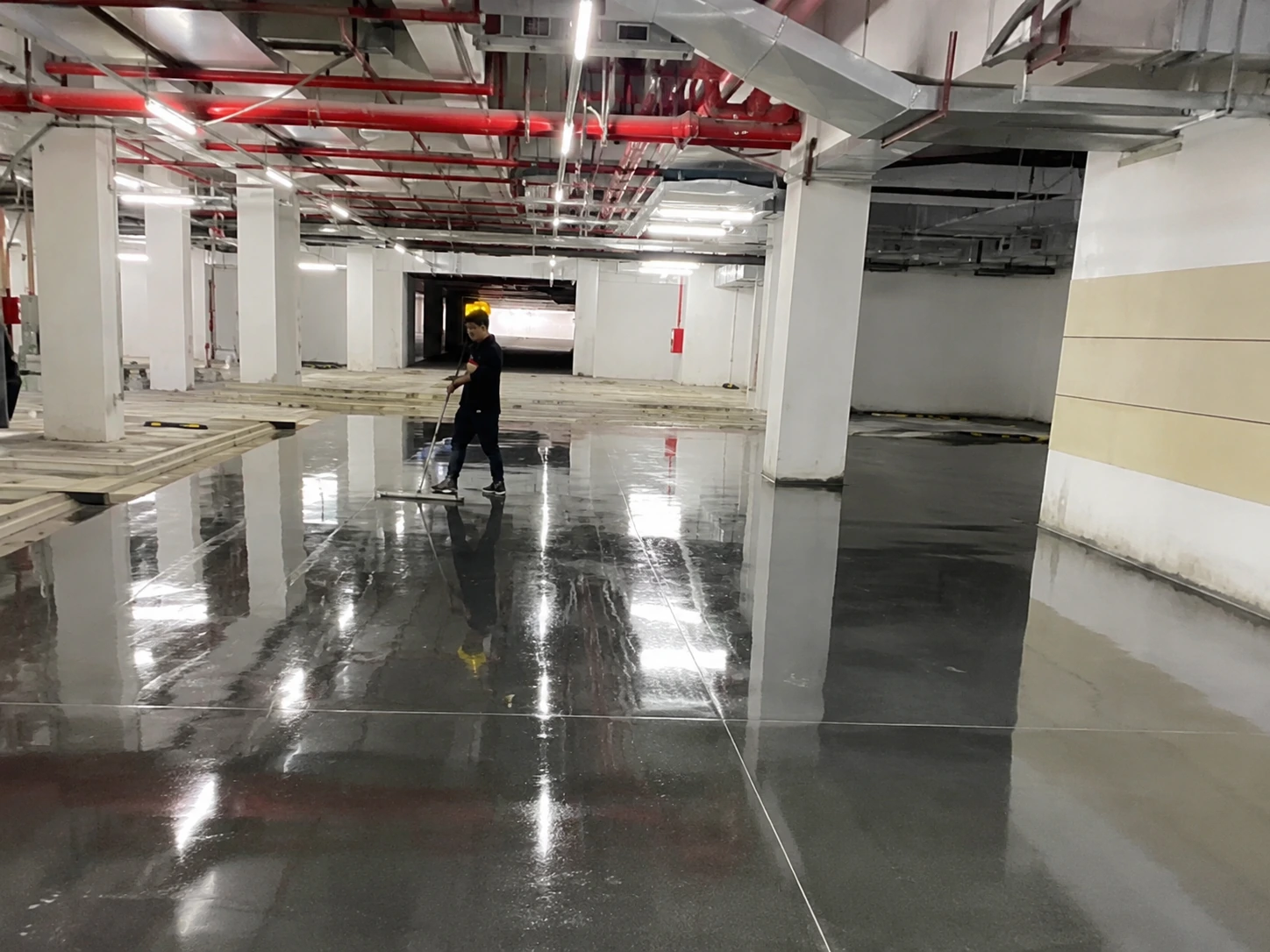
Select the Pad Within a Defined Sequence
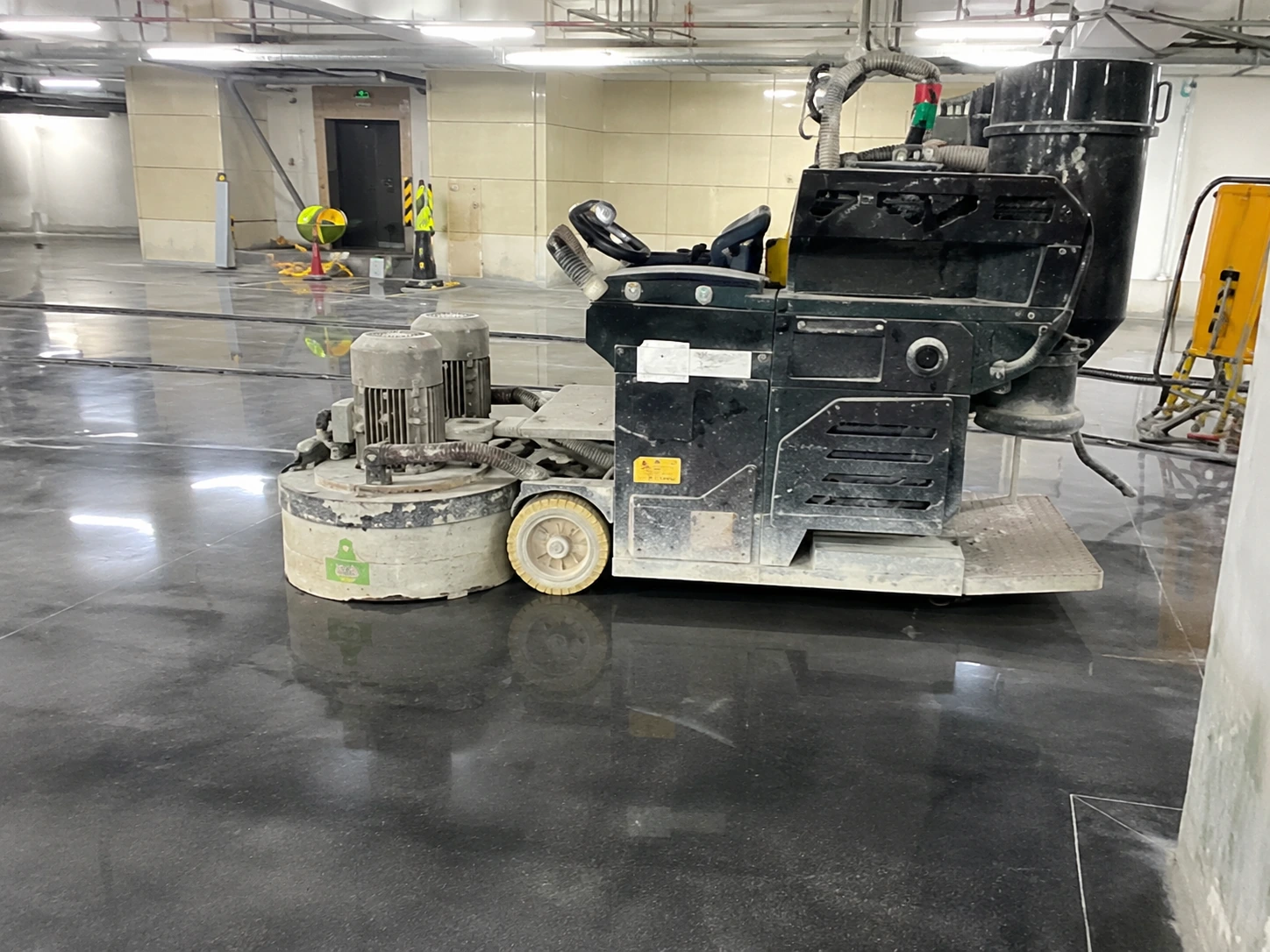
Provide the previous abrasive step, starting surface, desired finish, machine, diameter, attachment, and operating method. The first resin step must be capable of refining the scratches presented to it.
Compare wet resin pads with dry resin pads by the intended process rather than color alone.
Buyer FAQ
Is wet polishing always safer?
Safety depends on the complete task, equipment, electrical controls, slurry handling, and exposure plan. Follow applicable requirements and machine instructions.
Can a dry pad be used wet?
Only if the product and equipment instructions permit it. Confirm the exact pad.
Does dry polishing eliminate cleanup?
No. Dust collection, surface cleaning, filters, and housekeeping still require planning.
Why does the same grit behave differently?
Pad construction, concrete, previous scratches, machine, speed, pressure, and method can change behavior.
Which method gives more gloss?
A finish cannot be predicted from wet or dry alone. The complete sequence and slab condition are decisive.
Prepare a Useful Project Request
Provide the machine, pad diameter and attachment, current surface, previous step, water and dust restrictions, target finish, quantity, packaging, and destination.
For a focused review, submit the product type, floor material or coating, machine model and mounting system, required dimensions, application environment, customization needs, estimated quantity, packaging requirements, destination country, and requested delivery window through our inquiry page.