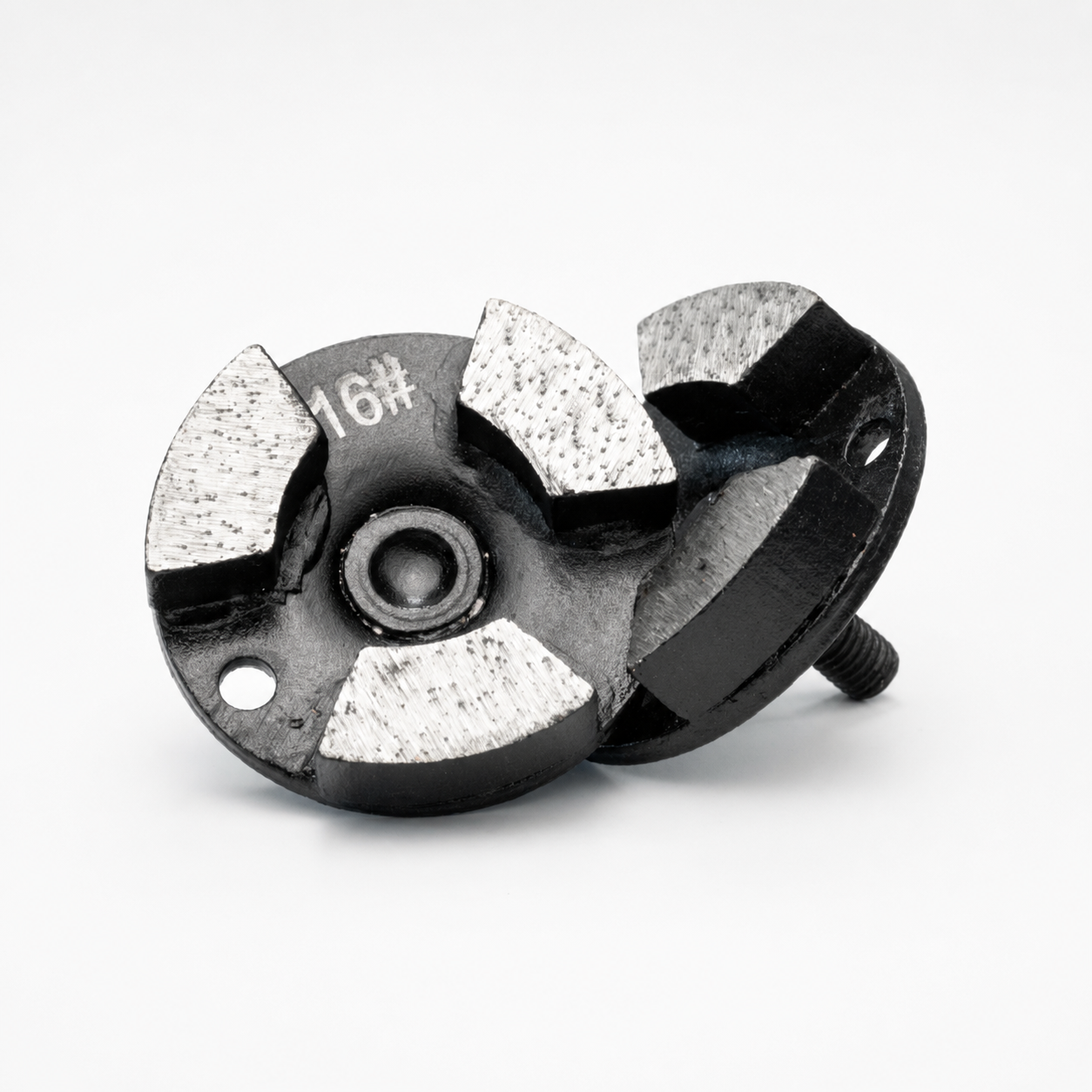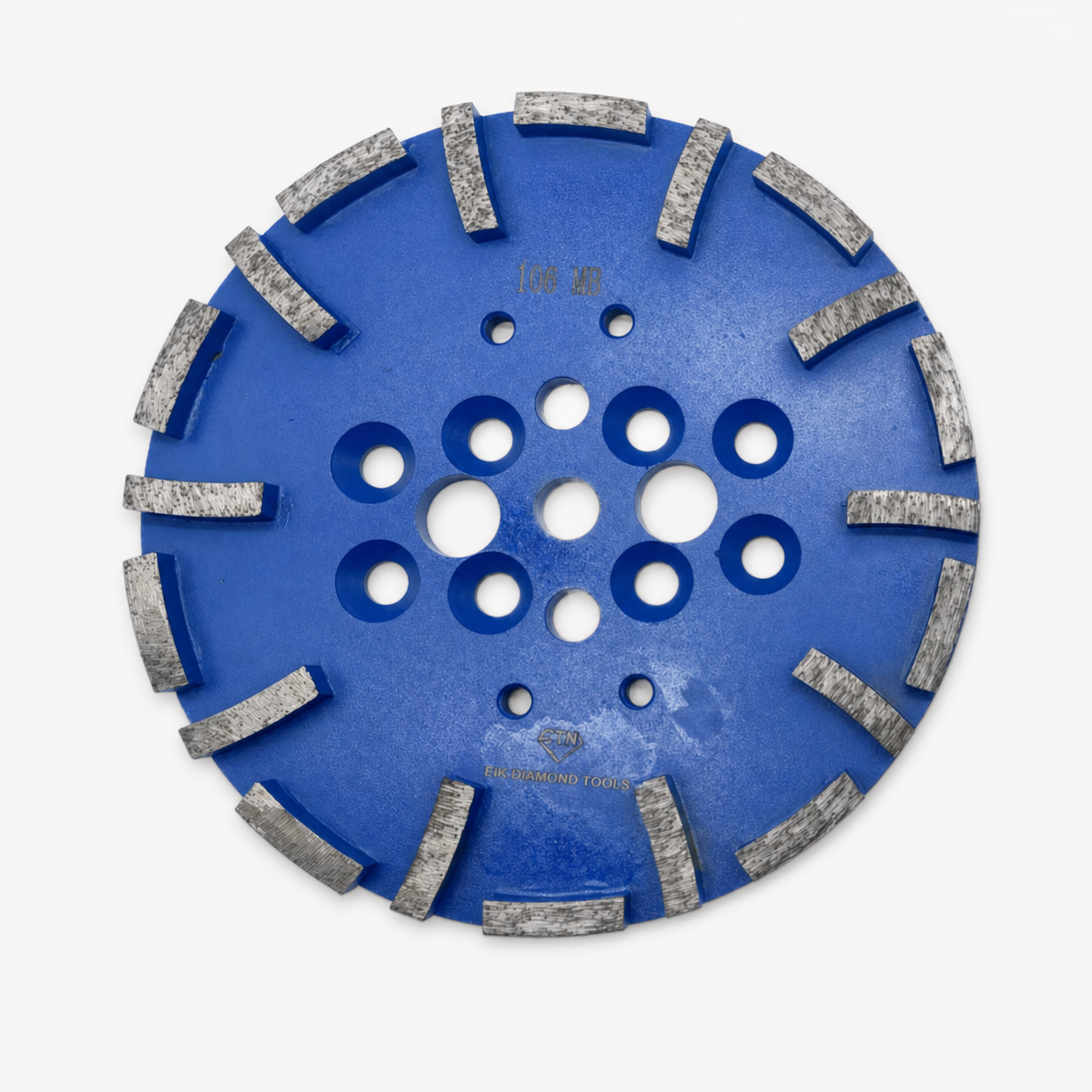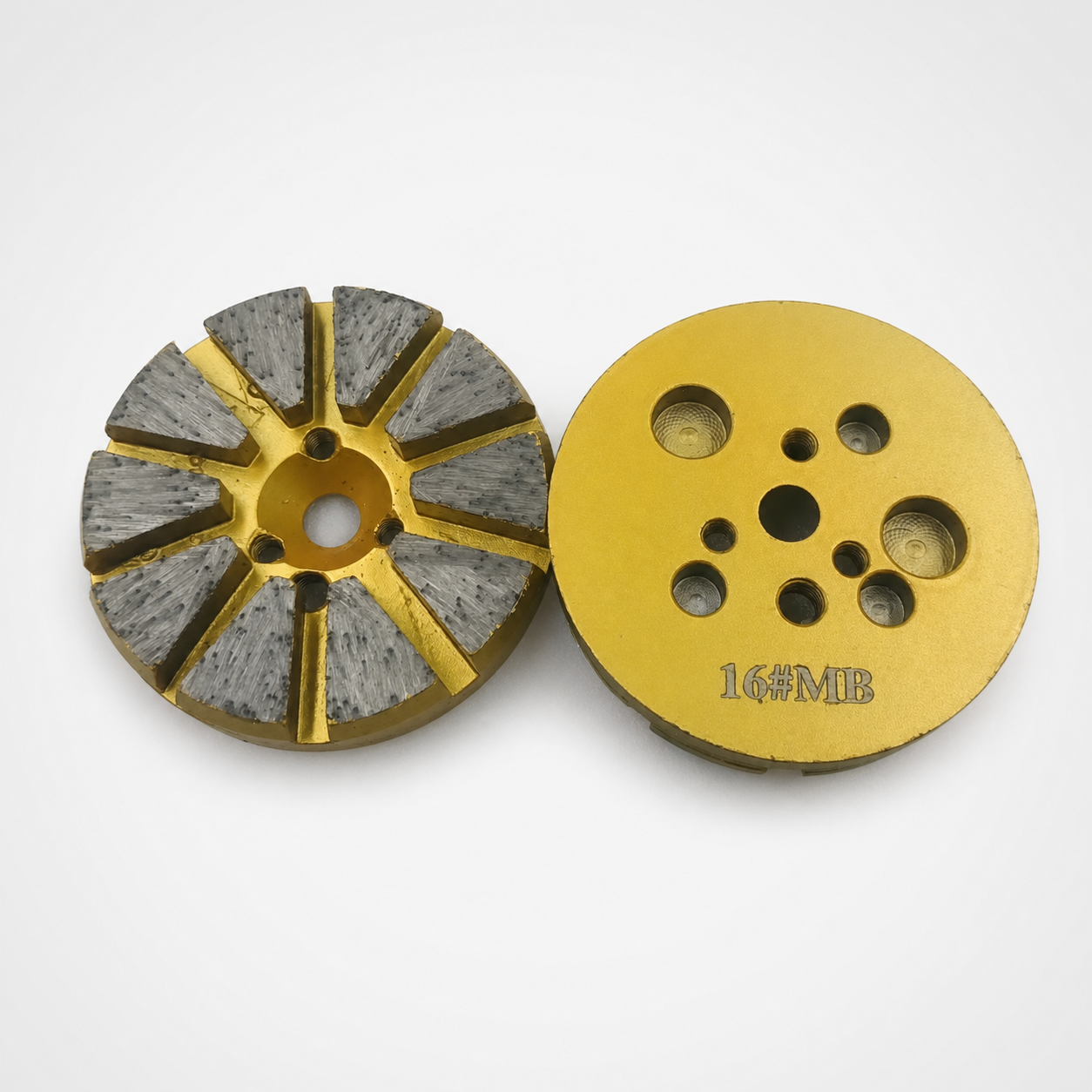

Core diamond grinding plate checkpoints include the approved drawing, plate dimensions, mounting features, segment position and condition, identification, quantity, packaging, and application-specific sample review.
A polished appearance does not prove that a grinding plate will fit a machine or perform on a given slab. Buyers need acceptance points that separate dimensional conformity, visible workmanship, packaging accuracy, and field behavior.
What This Guide Covers
- Inspect Against the Approved Specification
- Separate Visible and Dimensional Checks
- Treat Application Testing as a Separate Layer
- Keep Buyer-Side Receiving Records
Inspect Against the Approved Specification
The controlling document should identify the plate or shoe, dimensions, mounting features, segment layout, grit, bond direction, item marking, and artwork revision. Inspectors need clear tolerances or acceptance criteria for any feature that affects fit.
When a characteristic has not been agreed, confirm it with the supplier based on the final specification rather than creating an undocumented requirement after production.

Separate Visible and Dimensional Checks
Visible checks can cover damage, contamination, obvious segment defects, legibility, and packaging condition. Dimensional checks should focus on the mount, holes, plate geometry, clearance features, and other approved critical dimensions.
| Checkpoint | Typical record |
|---|---|
| Mount and dimensions | Measured values against the drawing |
| Segment placement | Position and visible attachment condition |
| Identification | Item code, grit, direction, and artwork revision |
| Pack-out | Quantity, separation, carton mark, and pallet condition |
Treat Application Testing as a Separate Layer
A sample can be evaluated for fit, attachment, cut, scratch pattern, wear appearance, vibration, heat, and operator observations. Record concrete condition, machine, settings, tooling count, wet or dry method, and previous step so results can be interpreted.
One application test should not become a universal claim. Define the conditions under which the result was observed.

Keep Buyer-Side Receiving Records
At receipt, photograph pallet condition, carton marks, labels, and any visible damage before unpacking. Count items by code and configuration, then isolate discrepancies instead of mixing them into stock.
Use the large-sized grinding plate collection to compare the specified format with the ordered item.

Buyer FAQ
Does visual inspection prove performance?
No. Visual inspection addresses visible conformity; performance must be evaluated in a defined application.
Which dimensions are critical?
The mount, hole pattern, overall geometry, clearance, and any machine-interface features are usually important. Confirm the drawing.
Should every item be measured?
Inspection level depends on the agreement and risk. Define sampling and critical characteristics before the order.
Can I request inspection photos?
Ask which photos or records can be provided for the final specification and shipment.
What should I do with damaged cartons?
Document the condition immediately, preserve labels and packaging, count affected items, and notify the relevant supplier and carrier.
Prepare a Useful Project Request
Attach the approved drawing, critical dimensions, item identification, inspection expectations, packaging specification, and application trial criteria to the order.
For a focused review, submit the product type, floor material or coating, machine model and mounting system, required dimensions, application environment, customization needs, estimated quantity, packaging requirements, destination country, and requested delivery window through our inquiry page.